Photo: AP
The five-day ceasefire between the United States and Iran has collapsed, opening a renewed and potentially more dangerous phase of the confrontation. Iranian forces reportedly targeted US military installations and air bases in Kuwait and Jordan, while Washington responded with strikes against at least eight locations inside Iranian territory, including targets on Qeshm Island near the Strait of Hormuz. The rapid resumption of military operations demonstrates the fragility of the temporary arrangement and the absence of an effective diplomatic mechanism capable of containing further escalation.
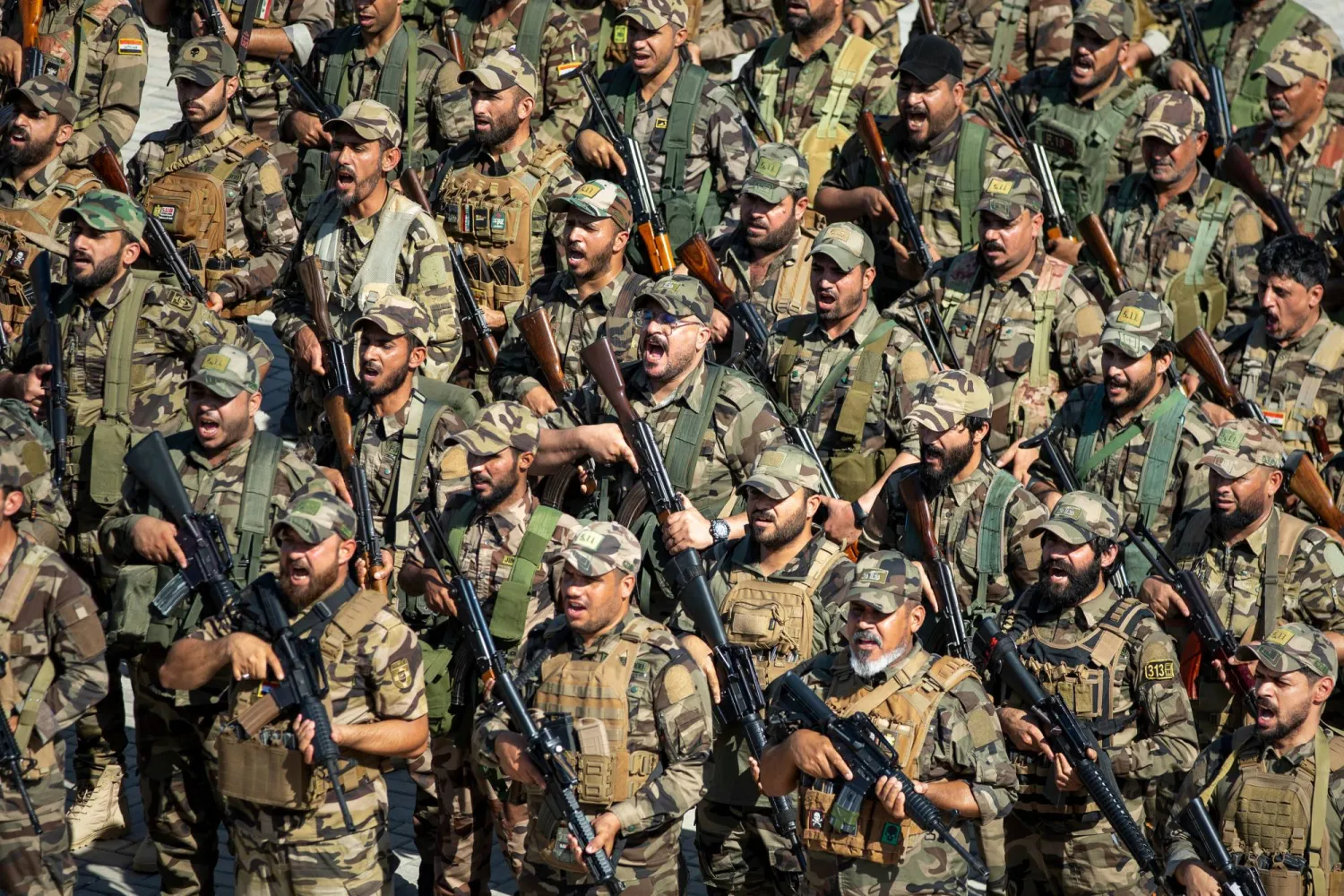
The conflict is no longer confined to the strategic triangle formed by the United States, Israel and Iran. US and Saudi strikes against elements of Iraq’s Popular Mobilisation Forces, commonly known by their Arabic name, Hashd al-Shaabi, have widened both the geographical and operational scope of the crisis. The alleged participation of Iran-aligned Iraqi factions in an attack against Saudi Arabia further connects the Iranian theatre with Iraq’s fragmented security environment and the broader Gulf Cooperation Council region.
The direct involvement of Iraq and Saudi Arabia substantially increases the risk of horizontal escalation across the Middle East. The principal regional implications include:
- The expansion of hostilities from Iran into Iraq and the wider Gulf
- The possible mobilisation of Iran-aligned Hashd al-Shaabi factions
- Increased threats to US and allied military bases in Kuwait, Jordan and Iraq
- Greater exposure of Saudi oil facilities, export terminals and critical infrastructure
- Rising risks to commercial shipping through the Strait of Hormuz, the Red Sea and Bab el-Mandeb
- The potential use of ballistic missiles, cruise missiles and long-range unmanned aerial vehicles
The collapse of the ceasefire therefore represents more than a temporary return to hostilities. It suggests that the confrontation may be developing into a multi-theatre regional conflict linking the Iranian plateau, the northern Gulf, the Iraqi–Syrian operational corridor, the Levant and the Red Sea–Bab el-Mandeb maritime axis. Without a credible de-escalation framework, further retaliation could draw additional governments and non-state armed groups into the conflict, threatening regional energy security, commercial shipping, military basing arrangements and the stability of key air and maritime corridors across the Middle East.
Author: Mikael Darbinian is a former US diplomat, geopolitical and security analyst and founder of Security Observer. He specialises in foreign policy analysis, military affairs and international security.