Photo: Chip Somodevilla/Getty Images
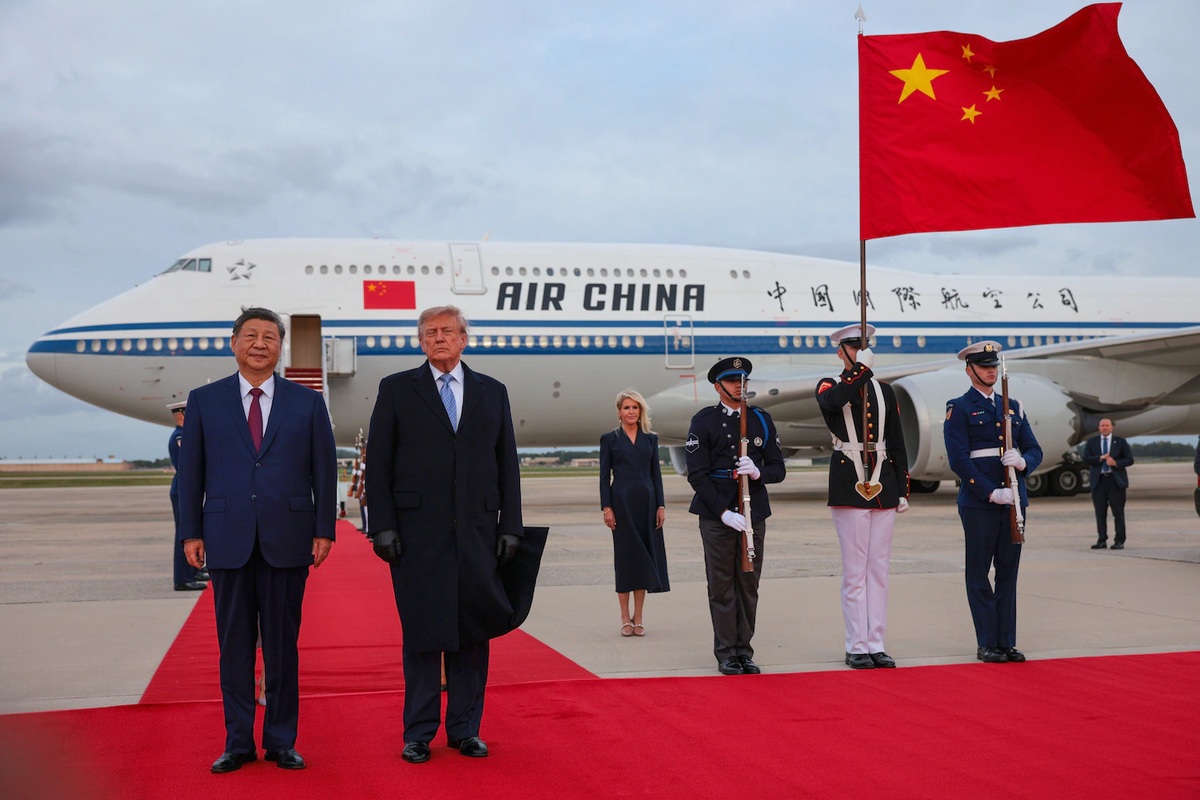
Xi Jinping’s September 2026 visit to Washington was significant before the substantive talks even began. It was the first Chinese presidential state visit to Washington in more than a decade, and Donald Trump personally travelled to Joint Base Andrews to greet Xi on the tarmac, breaking with normal US diplomatic protocol: American presidents generally receive visiting heads of state at the White House rather than at the airport. Such airport welcomes have in recent decades been associated with exceptional visits, particularly those of the Pope.
This symbolism went even further. Such an airport welcome for a foreign leader had not been seen since 1962, during John F. Kennedy’s presidency. Against that backdrop, Trump’s decision to meet Xi personally underscored the importance attached to the visit, even as Washington and Beijing remained divided over trade, Taiwan, Iran, rare earths and artificial intelligence. The meeting produced limited substantive progress according to publicly-available information, however the ceremonial treatment showed that both sides still see value in keeping the highest-level political channel open.
Key points
- Xi’s first state visit to Washington in more than a decade
- Trump personally greeted Xi at Joint Base Andrews
- The welcome broke with normal US diplomatic protocol
- Airport greetings of this kind have generally been reserved for exceptional visits, including papal visits
- A comparable presidential airport reception had reportedly not occurred since 1962, under John F. Kennedy
- Trade, Taiwan, Iran, rare earths and AI remained on the agenda
- Strong symbolism, but no definitive resolution of the wider US-China rivalry
What they discussed
- They discussed the trade war and tariffs
- Taiwan and Iran were among the geopolitical issues
- Rare earths and artificial intelligence were also discussed
- The trade truce was extended for another two months
- No definitive agreement was reached on the economic dispute
- Washington and Beijing remain rivals, but continue to keep dialogue open
Author: Mikael Darbinian is a former US diplomat, geopolitical and military analyst and founder of Security Observer. He specialises in foreign policy analysis, military affairs and international security.