Photo: LNGSTS
The Strait of Hormuz – the world’s most critical maritime energy chokepoint – has transitioned from a conventionally regulated global trade superhighway into a high-risk, asymmetric combat zone. Following the breakdown of diplomatic negotiations between Washington and Tehran to reopen the waterway to regular traffic, maritime trade has fractured into an unacknowledged shadow economy.
Tanker captains navigate pitch-black waters under the shadow of loitering munitions, while multi-billion-dollar commodity markets rely on the nerve of frontline mariners and covert coordination with the U.S. Navy. This security analysis explores the convergence of tactical navigation adaptations, macroeconomic volatility, naval operational shielding, LNG market vulnerabilities, and regional geopolitical realigning that govern this high-stakes maritime corridor.
1. Asymmetric Tactics and the “Dark Fleet” Playbook
The operational reality reported by mariners transiting the Persian Gulf mirrors naval combat survival strategies rather than standard commercial shipping procedures. Faced with persistent asymmetric threats from coastal missile batteries, naval mines, and drone swarms, masters have adapted extreme survival protocols.
- Electromagnetic and Visual Blackouts: To lower their electronic and visual cross-section, vessels manually trip circuit breakers to silence Automatic Identification System (AIS) transponders and douse navigation lights. In an environment saturated with radar-guided and thermal-imaging loitering munitions, running dark and observing absolute radio silence are critical first lines of defense.
- The Omani Littoral Route: Supertankers hug the territorial waters and shallow depths (approximately 100 meters) of the Oman coast. This strategy exploits geographical friction lines where hostile actors risk unintended escalation with a neutral third party (Oman) if attacks spill over into its territorial waters, while utilizing narrow corridors that challenge larger hostile craft.
- Improvised Physical Hardening: Crews resort to primitive protective measures, barricading main decks with sandbags and stacking water-filled drums around critical bridge perimeters. While ineffective against heavy anti-ship cruise missiles, these additions offer localized fragmentation shielding against drone-dropped explosives and near-miss shrapnel.
- An Analog Renaissance in Navigation: Stripped of digital tracking confidence by threat constraints and electronic jamming, bridge teams revert to traditional pilotage. Navigators take visual bearings using coastlines and lighthouses, relying on a single restricted radar configuration to avoid electronic emission triangulation by hostile tracking stations.
2. Macroeconomic Dynamics: High Risk, Billions in Reward
Despite physical dangers, global market forces dictate that the shadow shuttle must continue operating, creating an extreme risk-reward distortion.
- Recovering Crude Flow Volumes: Major financial institutions, including JPMorgan Chase and Goldman Sachs, note that Middle East crude flows have climbed back toward pre-war baselines. JPMorgan estimates daily crude flows through the Gulf have recovered to approximately 17.5 million barrels per day, facilitated by high-risk shuttle windows.
- The Windfall Paradox: Shipowners and commodity traders are reaping historic financial rewards. Sky-vaulting freight rates and risk premiums compensate for asset-loss exposure, generating massive profit margins for entities willing to brave the waterway.
- Human Capital Risk and Psychological Toll: This multi-billion-dollar transit system relies entirely on the nerve of multinational crews—predominantly Filipino officers and sailors. The “handsome payday” functions as hazard pay for workers navigating minefields and missile paths under severe psychological duress, balancing career survival against the constant threat of shipboard fires and structural destruction.
3. Naval Coordination and Gray-Zone Security Architecture
The partial resumption of global energy flows is not a product of formal de-escalation, but rather of an unacknowledged, heavily managed security matrix between commercial operators and military assets.
CENTCOM’s Quiet Oversight: U.S. Central Command has quietly coordinated with commercial shippers since early summer, assisting thousands of vessels in navigating safe routing corridors and dodging Iranian minefields. Captains maintain strict communication protocols, reporting waypoints at designated intervals.
The Limits of Protection: Despite naval escorts and corridor-clearing operations, shipping executives estimate a persistent structural risk profile (roughly a 1 in 20 cumulative transit vulnerability). Recent accounts of captains forced to actively steer around burning wrecks or report sudden projectile impacts prove that the theater remains volatile and susceptible to pop-up attacks.
4. Cryogenic Cascades: LNG Sector Vulnerabilities
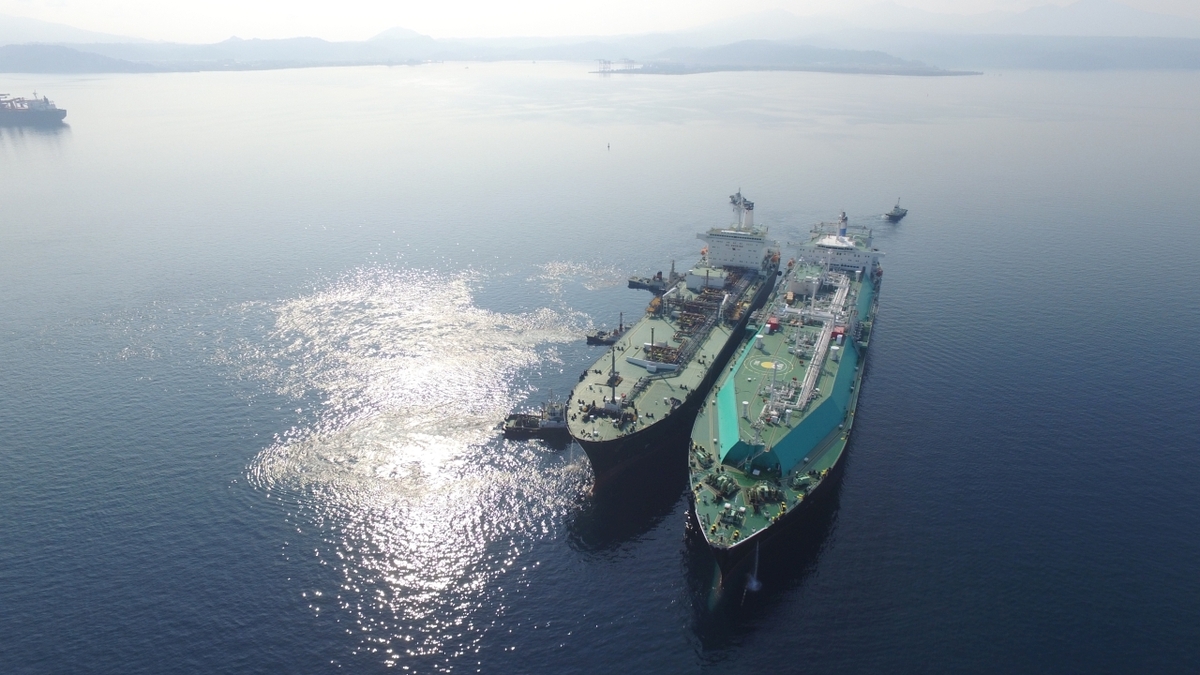
While crude oil flows have stabilized due to shadow shuttle operations, the vulnerability of the Strait hits the liquefied natural gas (LNG) sector with disproportionate structural severity.
- The Qatar Chokepoint: A significant percentage of global LNG – particularly from Qatar’s massive North Field exports – must transit the narrow waters of Hormuz, threatening a vital alternative fuel source for Europe and Asia.
- Infrastructure Rigidity: Unlike crude oil, which can be stored in floating structures or shifted via alternate overland pipelines, LNG requires hyper-specialized cryogenic infrastructure. This makes LNG carriers exceptionally vulnerable to transit interruptions.
- Price Elasticity Cascades: Any temporary closure or successful strike on an LNG carrier triggers immediate spot-market price spikes, cascading into industrial power shortages and elevated utility costs across importing nations. Insurance underwriters treat LNG vessels with even higher risk parameters due to the catastrophic potential of cargo ignition.
5. Geopolitical Fallout: GCC States, Western Security, and Regional Hedging
The friction in the Strait of Hormuz has forced a profound recalibration of diplomatic and security relations between Gulf Cooperation Council (GCC) states and Western security partners.
- Strategic Dependence vs. Autonomy: While Gulf energy producers heavily rely on U.S. naval protection to keep crude exports flowing near pre-war benchmarks, Arab capitals have grown increasingly wary of being dragged into a prolonged, flashpoint war of attrition with Tehran.
- Hedged Diplomacy and Regional De-escalation: Gulf states have actively pursued independent back-channel diplomacy and regional dialogue with Iran. They seek to insulate their domestic infrastructure and economic diversification projects from the collateral fallout of stagnant Washington-Tehran talks.
- Infrastructure Bypasses as Foreign Policy: The acceleration of alternative transport infrastructure—such as expanding Red Sea pipeline capacities (e.g., Saudi Arabia’s East-West pipeline)—is as much a geoeconomic strategy to bypass Hormuz vulnerability as it is a political message signaling reduced exposure to geopolitical chokeholds.
The current equilibrium in the Strait of Hormuz is profoundly fragile. It relies on a dangerous gray-zone architecture: an unacknowledged operational consensus where operators navigate via blackout protocols under an invisible umbrella of U.S. naval protection, while Iran maintains latent threat pressure. Until a formal diplomatic framework replaces this ad-hoc militarized navigation, the Strait of Hormuz remains a pressurized valve where a single miscalculated drone strike or mine detonation could instantly snap global energy markets back into crisis.
Author: Mauritius-based Bruneau Laurette is Director of DRCS Africa HQ and an elite defence and security consultant with over 25 years of experience in high-risk environments, maritime anti-piracy and port security. He has advised the governments of Mauritius, Seychelles and Tanzania, established specialist tactical units and trained law enforcement and correctional officers.