Expert voices from the Global South

A platform for experts to share analysis and insight

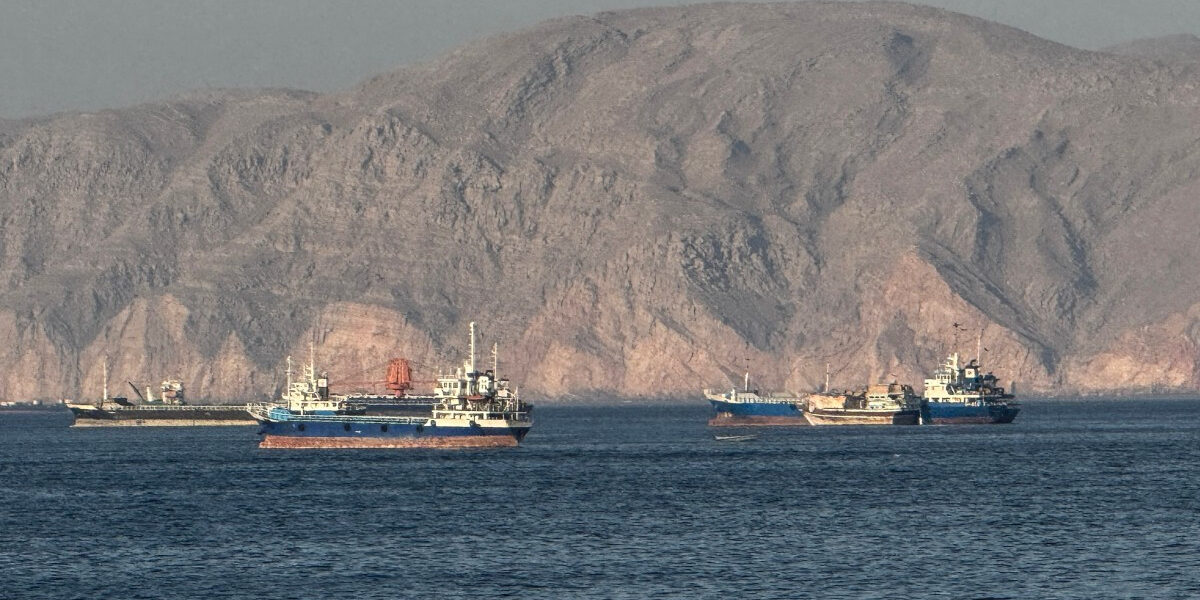
The Strait of Hormuz is a reminder that energy security is geography

Energy markets like to speak in abstractions: liquidity, flexibility, spare capacity, hedging. Then the Strait of Hormuz appears on the map, and the language becomes much simpler. A narrow waterway can still frighten the whole global economy.

The numbers explain why. The International Energy Agency says around 20 million barrels per day of oil, roughly a quarter of world seaborne oil trade, transits the Strait of Hormuz. It also notes that most of that oil is destined for Asia.

Gas is just as exposed. The US Energy Information Administration reported that about 20% of global LNG trade passed through Hormuz in 2024, mainly from Qatar. Qatar alone exported about 9.3 billion cubic feet per day of LNG through the strait that year.

This is why Gulf energy security is not only about production. It is about routes, insurance, shipping confidence, pipelines, storage, naval risk and the political temperature between states that do not trust each other.

The lesson is uncomfortable. The energy transition may reduce dependence on oil over time, but it has not yet abolished geography. Until it does, Hormuz will remain a small place with global consequences.

Author: Samir Haddad is an energy security analyst specialising in Gulf energy markets and strategic resource planning.


The Strait of Hormuz is a reminder that energy security is geography

Energy markets like to speak in abstractions: liquidity, flexibility, spare capacity, hedging. Then the Strait of Hormuz appears on[…]

Oreshnik: Russia’s hypersonic signal to the Ukraine, NATO and the West

The Oreshnik is presented by Moscow as a new-generation Russian ballistic missile with hypersonic characteristics and a high level[…]

THE TAIWAN CRUCIBLE: The contemporary global landscape is defined by an intensifying strategic competition between the United States and China…

The contemporary global landscape is defined by an intensifying strategic competition between the United States and China, with Taiwan[…]

Advanced chips AI chips Air defence AI supremacy Artificial intelligence ATACMS Autonomous weapons Ballistic missiles China China-Taiwan tensions Chip war Chris Miller Cyber warfare Democratic values Donald Trump Drones Drone warfare Export controls First Island Chain Geopolitics Global order Gulf security Gulf states Henry Kissinger Hypersonic missiles Indo-Pacific Intermediate-range missile International relations Iran Iranian ports Lvov Maritime security Military Military escalation Military technology missile Missile interception NATO Naval blockade Nuclear-capable weapons Oil markets Oreshnik Poland Ray Dalio Russia Russia-Ukraine war Semiconductors Semiconductor supply chain Storm Shadow Strait of Hormuz Strategic communication Strategic competition Strategic depth Strategic deterrence Supply chain security Taiwan Taiwan Strait Technology war Thucydides Trap TSMC Ukraine United States US-China rivalry USA Venezuela War of attrition Western military aid