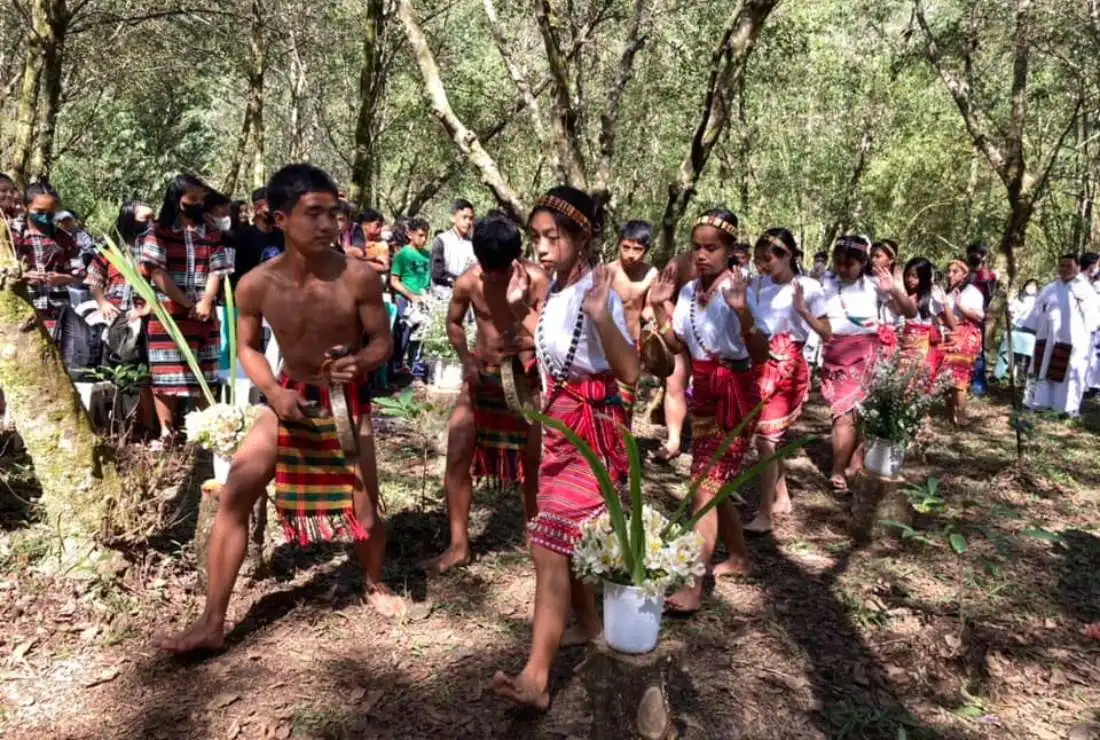
Maps can lie politely. A forest may appear as timber. A mountain may appear as minerals. A river may appear as an irrigation route. But for indigenous communities, these are not empty spaces waiting for development; they are archives, pharmacies, schools and burial grounds.
The Philippines recognised this through the Indigenous Peoples’ Rights Act of 1997, which protects ancestral domains and requires free, prior and informed consent in relevant decisions. On paper, that is powerful. In practice, power depends on who controls the room.
The scale is not small. The Philippine Statistics Authority reported that Indigenous Peoples identified by the National Commission on Indigenous Peoples numbered 9.84 million in the 2020 census, or 9.1% of the household population. That is larger than the population of many countries.
Yet communities can still be treated as obstacles to be managed rather than political actors to be respected. A consultation is not meaningful if documents are unclear, meetings are rushed, or saying no brings pressure from companies, officials or armed groups.
The real test of indigenous rights is not whether the law sounds progressive. It is whether a community can refuse a project and still be safe the next morning.
Author: Celina Mercado is a Filipina sociologist specialising in indigenous communities.