Photo: Reuters
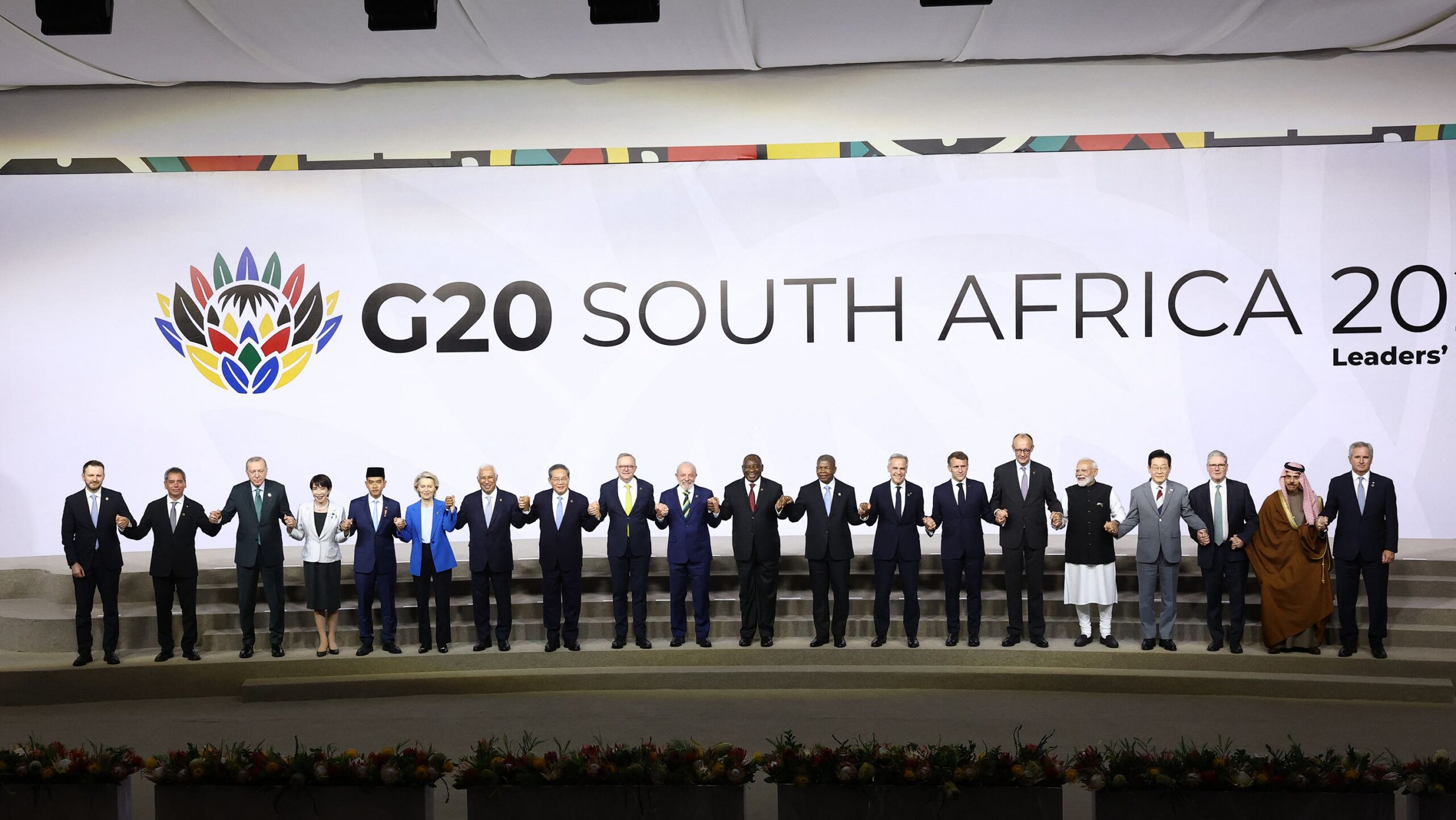
Earlier this year, I had the honour of taking part in an invitation-only roundtable hosted by a South African university, titled “Reflections on the South African G20 Presidency in a Fragmented Global Landscape.” The discussion among scholars, defence analysts and diplomats pointed to a critical strategic shift under way: South Africa’s tenure at the helm of the G20 was never going to be a purely diplomatic milestone. It was a test of whether the Global South could convert institutional visibility into a durable security and economic architecture.
That tenure has since closed. South Africa formally handed the G20 presidency to the United States on 25 November 2025, in a deliberately low-key ceremony in Pretoria, after Washington boycotted the Johannesburg Leaders’ Summit outright (Xinhua, 2025; AllAfrica, 2025). The circumstances of that handover — as much as the year of programming that preceded it — are themselves the clearest evidence for the argument this article makes: that post-war multilateral architecture is straining under geopolitical polarisation, and that Africa’s security and economic future increasingly depends on what the continent builds for itself rather than what it is granted.
A Presidency Tested by Absence
The stress test came at the summit itself. The United States declined to send a head-of-state-level delegation to Johannesburg, citing unsubstantiated claims regarding the treatment of Afrikaners, allegations South Africa’s government rejected outright (EWN, 2025). When Washington proposed that a junior chargé d’affaires receive the ceremonial gavel from President Cyril Ramaphosa, Pretoria refused, insisting the handover be conducted at an appropriate level of seniority as a matter of protocol and principle (IOL, 2025; SAnews, 2025). The impasse was eventually resolved through a senior-official-to-senior-official handover away from the cameras — a compromise that preserved form while making the underlying fracture impossible to ignore.
For a security-focused readership, the episode is instructive beyond its diplomatic theatre. A G20 presidency boycotted by its most powerful member is a data point about the durability of the forum itself, and about the leverage African states can realistically expect to extract from institutions whose largest stakeholders can simply opt out when the agenda does not suit them.
Geopolitical Polarisation and Institutional Obsolescence
The roundtable’s broader diagnosis remains sound, and the Johannesburg episode reinforces it: post-WWII multilateral institutions increasingly suffer a deficit in both operational efficacy and strategic legitimacy (Ezeanya-Esiobu, 2019). Weaponised interdependence, volatile capital markets and asymmetrical climate-security vulnerabilities all point to the same conclusion — existing governance mechanisms are poorly equipped to mitigate systemic risk for developing states (Songwe, 2021).
In response, African states are increasingly treating non-alignment and strategic autonomy as doctrine rather than rhetoric. Rather than aligning with competing geopolitical blocs, the continent’s priority is defending sovereign stability, critical-infrastructure resilience and economic self-determination (Mbembe, 2020). Building on the African Union’s permanent admission to the G20 in 2023, South Africa’s presidency offered the first real opportunity to operationalise that doctrine at scale — and its record, mixed as it is, is worth assessing on those terms rather than as a diplomatic curiosity.
| Legacy Multilateral Framework | Strategic Realignment (G20 Agenda) |
| Africa treated as a passive crisis-management zone | Africa as a proactive security and economic architect |
| Asymmetric sovereign risk assessment and capital flight | Reformed sovereign risk modelling and multilateral finance |
| Raw resource extraction feeding external value chains | Strategic industrialisation, critical mineral security and AfCFTA |
| Hard security treated as a Western/multilateral prerogative | African-led peace and security architecture with independent financing |
What the Presidency Delivered
On substance, South Africa did secure concrete outcomes. The G20 Africa Expert Panel, chaired by Trevor Manuel, delivered its report in November 2025, and G20 finance ministers agreed a Ministerial Declaration on Debt acknowledging the high cost of capital faced by African states and setting out a basis for further action (DIRCO, 2025). Debt sustainability and sovereign risk pricing were, for the first time, placed at the centre of a G20 presidency rather than treated as a side conversation. That is a genuine institutional gain, even if its durability now depends on a US presidency that showed limited appetite for the agenda it inherited.
Three Strategic Pillars for the African G20 Agenda
The presidency’s programming, and the roundtable discussion built around it, converged on three domains where African leadership within the G20 needs to be sustained beyond South Africa’s single year at the helm:
1. Reforming Global Financial Architecture and Sovereign Credit Governance
Excessive sovereign risk premiums imposed on African states constrain fiscal space and jeopardise national stability (UNECA, 2023). The Ministerial Declaration on Debt is a starting point, not an endpoint: restructuring multilateral lending mechanisms and establishing more objective, less politically discretionary credit-assessment standards remain essential prerequisites for long-term regional security.
2. Resource Sovereignty, Critical Minerals and Supply Chain Security
The continent must leverage its critical minerals and transition assets to drive domestic value addition rather than raw export (Signé, 2023). Operationalising the African Continental Free Trade Area (AfCFTA) remains the primary mechanism for building regional industrial resilience against global supply shocks — shocks that, as the past year has shown, can now originate as easily from a boycotted summit as from a market disruption.
3. Digital Sovereignty and Technological Governance
The rapid proliferation of artificial intelligence and dual-use technologies presents both critical-infrastructure vulnerabilities and strategic opportunities. Whatever governance framework the G20 eventually settles on must address technology transfer, safeguard local data sovereignty, and prevent new technological dependencies from replacing old ones between the Global North and South.
The Unfinished Hard-Security Agenda
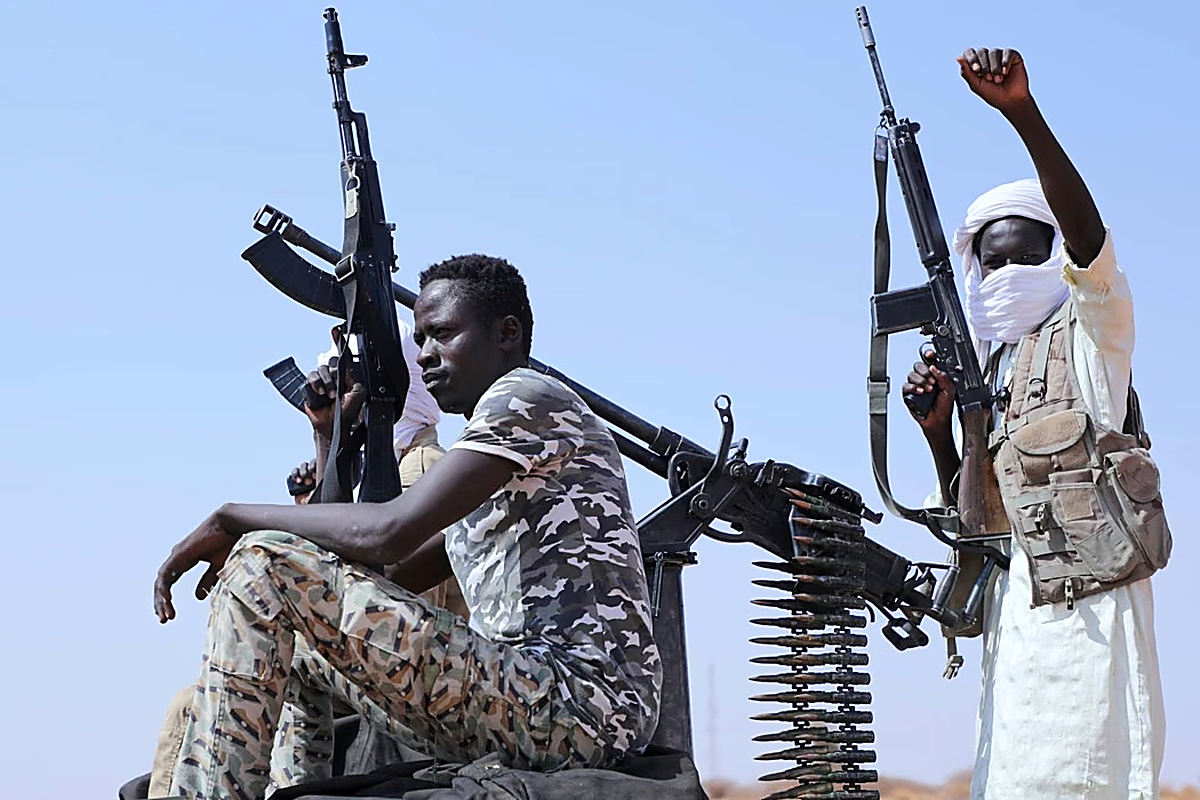
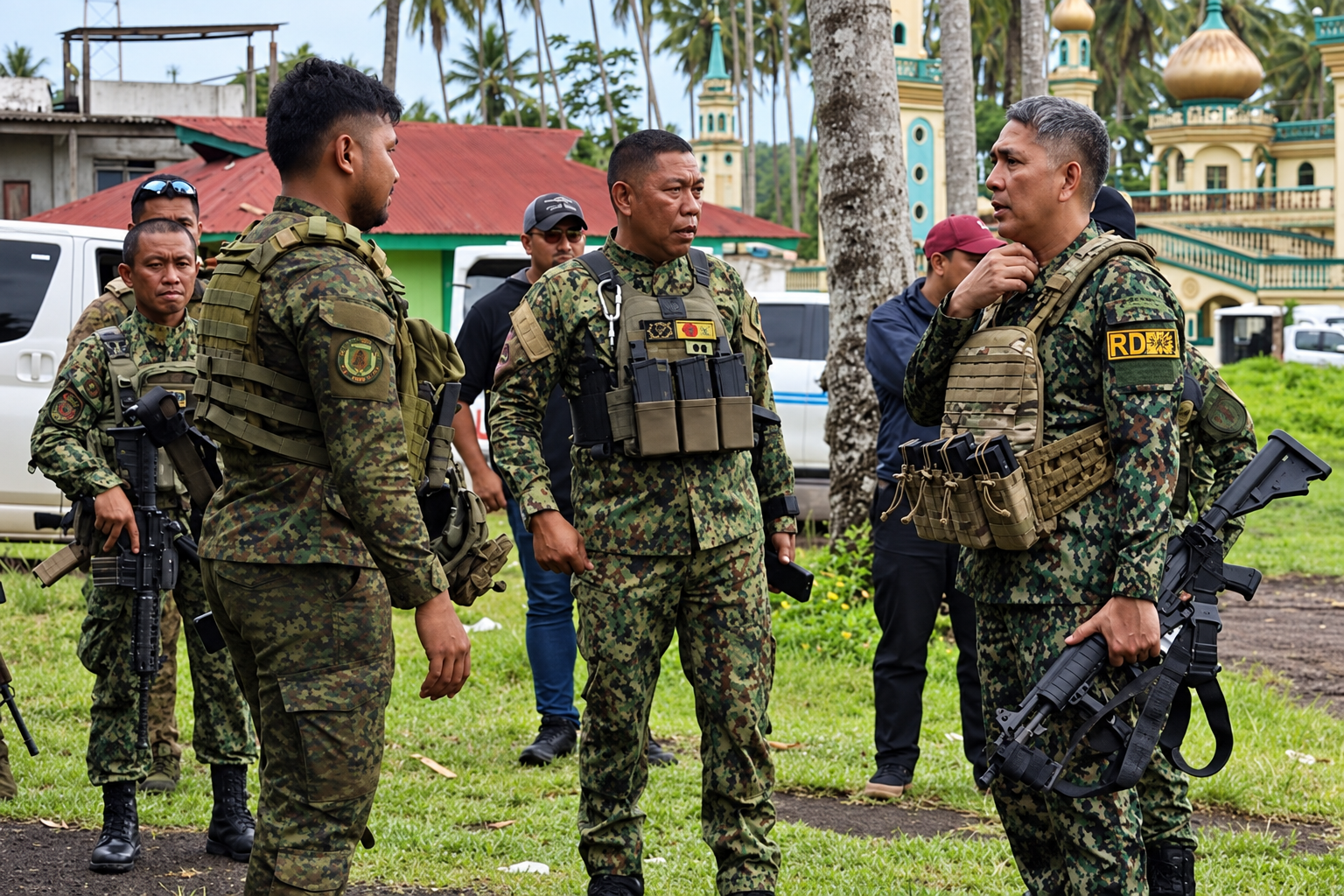
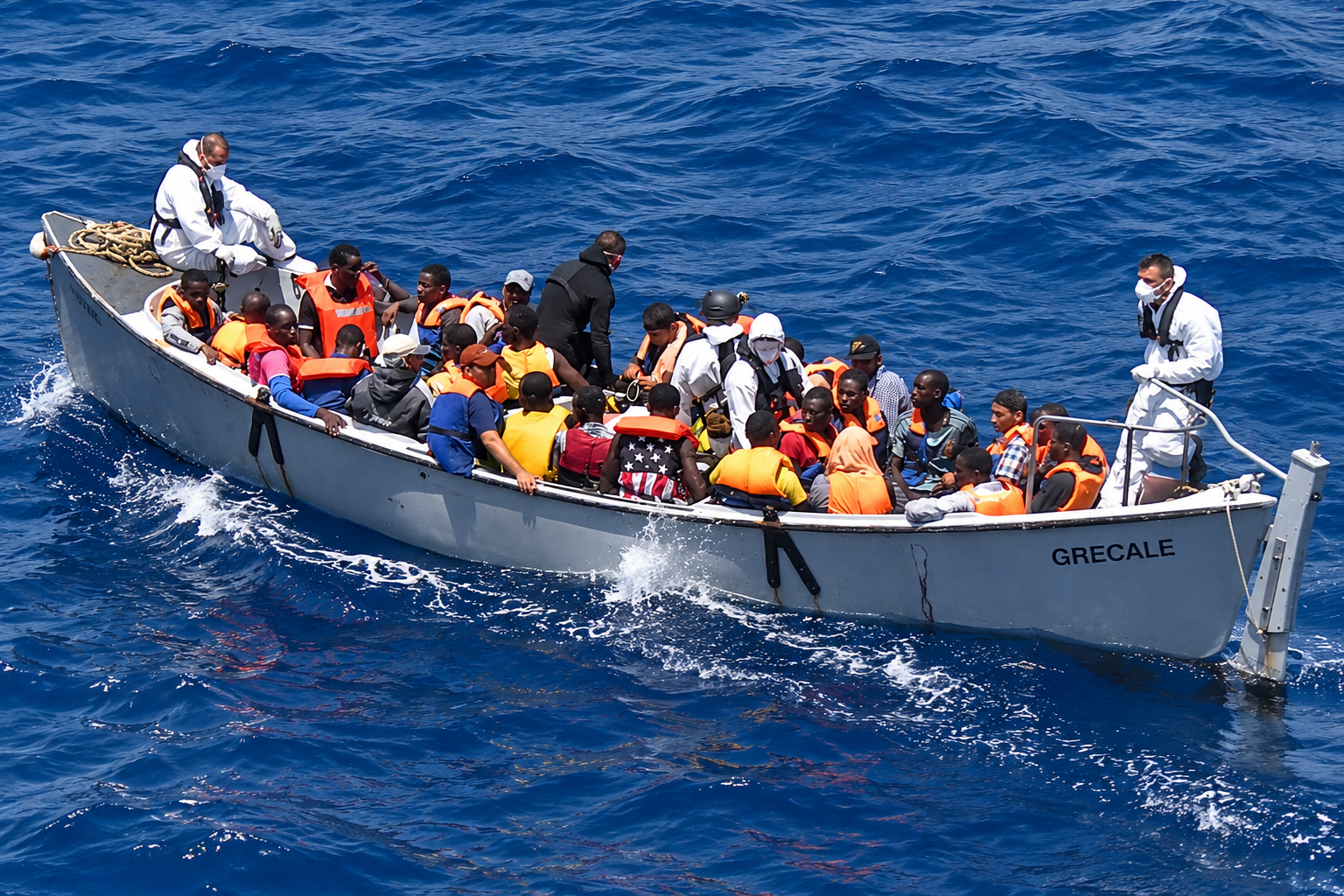
What the presidency did not fully address — and what a security-focused assessment cannot ignore — is hard security itself. The African Union’s Peace and Security architecture remains chronically underfunded relative to the conflicts it is asked to manage, from the Sahel to the eastern Democratic Republic of Congo and Sudan, while maritime insecurity along the Gulf of Aden and the Mozambique Channel continues to expose the limits of externally financed stabilisation. A G20 agenda that strengthens African sovereign finance and industrial capacity without a parallel commitment to African-led, African-financed security architecture will have addressed the economic half of the fragmentation problem while leaving the security half largely where it found it.
Conclusion: Strategic Leadership in a Multi-Polar Era
South Africa’s G20 presidency was a decisive test of African strategic coherence, and the test was harder than anticipated: it played out against a boycott, a protocol standoff, and a handover conducted, deliberately, out of public view. Resilient security in a fragmented landscape cannot be imported or imposed; the past year confirmed that it must be constructed through sovereign capacity, institutional reform and equitable partnerships that do not depend on the goodwill of any single power.
The G20 presidency now sits with Washington. Whether the gains South Africa secured — the debt declaration, the Africa Expert Panel’s recommendations, the precedent of an African-chaired G20 — survive that transition is an open question, and one African leadership cannot simply monitor from the sidelines. The more durable lesson of 2025 is that African agency inside multilateral institutions is necessary but not sufficient: it must be paired with the sovereign financial, industrial and security capacity to act when those institutions falter, absent themselves, or boycott the room entirely.
References
AllAfrica. (2025, November 26). South Africa officially hands over G20 presidency to the US in low-key ceremony. https://allafrica.com/stories/202511260444.html
Department of International Relations and Cooperation [DIRCO]. (2025, November 18). Remarks by President Cyril Ramaphosa at the handover of the report of the South Africa G20 Africa Expert Panel for the G20 Leaders’ Summit. https://dirco.gov.za/
EWN. (2025, November 26). SA hands over G20 Presidency to junior US diplomat. https://www.ewn.co.za/
Ezeanya-Esiobu, C. (2019). Indigenous knowledge and education in Africa: Towards development, freedom and social justice. Springer Nature.
IOL. (2025, November 23). Lamola: SA did not deny US access to G20 Summit — presidency handover can happen anywhere in South Africa. https://iol.co.za/
Mbembe, A. (2020). Brutalisme. Éditions La Découverte.
SAnews. (2025, November 17). SA prepares for G20 handover to United States amid attendance uncertainties. https://www.sanews.gov.za/
Signé, L. (2023). Africa’s fourth industrial revolution. Brookings Institution Press.
Songwe, V. (2021). Building resilient African economies post-COVID-19: Financing options and policy choices. Journal of African Trade, 8(2), 11–23.
United Nations Economic Commission for Africa [UNECA]. (2023). Economic report on Africa 2023: Building resilience to sovereign debt and financial fragility in Africa. UNECA Publications.
Xinhua. (2025, November 26). South Africa hands over G20 presidency to U.S.: Media. https://english.news.cn/africa/
Dr Nizar Chaari is a senior consultant, strategist and media executive with over 30 years of experience in media, public affairs and pan-African leadership engineering. He is President of Tunivisions Group and founder of the Tunivisions Foundation and EPIK Leaders, a pan-African youth movement active in 15 countries. He specialises in grand strategy, digital transformation and organisational leadership.