Photo: Ali Al Katan/Jubail
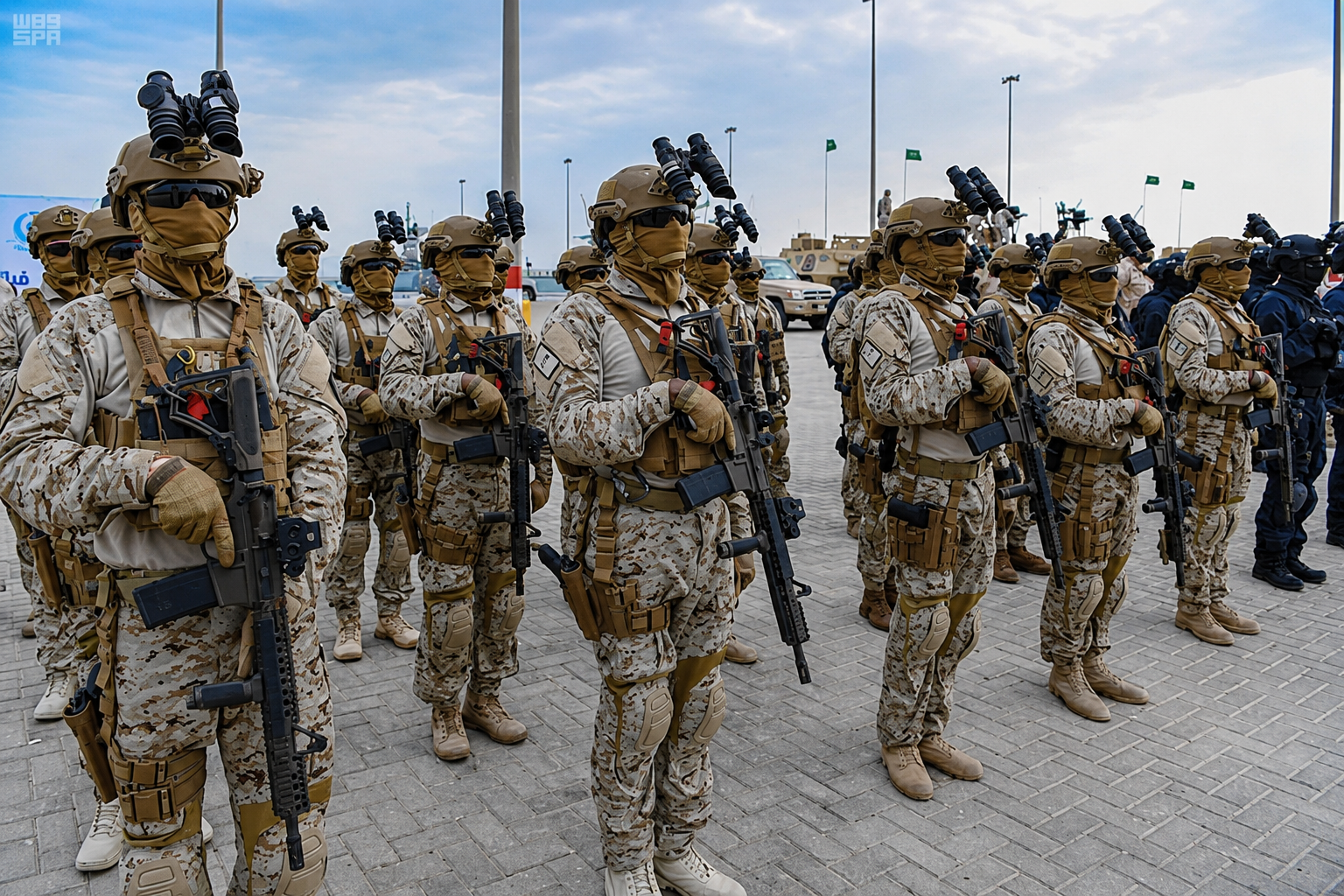
Today, we examine a strategic development that could reshape the future of maritime security and global trade. Saudi Arabia has announced the creation of a Multinational Maritime Defence Alliance, a landmark initiative designed to protect one of the world’s most critical maritime corridors—the Red Sea, the Bab el-Mandeb Strait, and the Gulf of Aden.
This is far more than another naval coalition. It represents a strategic shift in the balance of regional security. For decades, the protection of these waters has largely depended on Western-led multinational operations. Today, Saudi Arabia is positioning itself as a regional security leader, assuming greater responsibility for safeguarding international shipping and ensuring the uninterrupted flow of global commerce.
The timing is no coincidence.
The security environment has deteriorated rapidly following the Houthi declaration of a maritime blockade against Saudi Arabia. Commercial vessels have faced repeated missile and drone attacks, forcing shipowners to reassess routes through one of the busiest shipping lanes in the world. Every attack carries consequences far beyond the battlefield—higher insurance premiums, longer transit times, increased freight costs, and growing pressure on global supply chains.
What makes this conflict particularly significant is the nature of the threat.
Traditional naval superiority is increasingly challenged by asymmetric warfare. Anti-ship ballistic missiles, cruise missiles, one-way attack drones, unmanned surface vessels, and naval mines have enabled non-state actors to threaten sophisticated commercial fleets at a fraction of the cost of conventional naval forces. This is a new era of maritime conflict, where relatively inexpensive technologies can disrupt international trade and global energy markets.
At the heart of this crisis lies the Bab el-Mandeb Strait—one of the world’s most strategically important maritime chokepoints. Together with the Strait of Hormuz, it forms a vital artery for international commerce, connecting Europe, Asia, and Africa while supporting a significant proportion of global oil, liquefied natural gas, and container shipping.
Any prolonged disruption in these waters would have immediate consequences for energy prices, inflation, food security, and industrial supply chains. Small island economies such as Mauritius are particularly exposed. The nation depends almost entirely on secure maritime transport for fuel, food, pharmaceuticals, and manufactured goods. Events unfolding thousands of kilometres away could rapidly translate into higher prices and increased economic pressure at home.
The Saudi-led alliance seeks to counter these risks through coordinated naval patrols, intelligence sharing, integrated maritime domain awareness, advanced surveillance technologies, and enhanced protection of commercial shipping. Yet military capability alone will not guarantee success.
Modern maritime security requires a comprehensive approach—combining satellite intelligence, cyber resilience, artificial intelligence, unmanned systems, port security, and rapid multinational coordination. Protecting freedom of navigation today means staying ahead of increasingly agile and technologically capable adversaries.
Strategically, this initiative also signals a broader geopolitical transformation. Saudi Arabia is no longer acting solely as a beneficiary of international security arrangements but increasingly as a provider of regional stability. This evolution reflects a changing Middle East, where regional powers are assuming greater responsibility for protecting critical infrastructure and defending the maritime domain.
Looking ahead, the operational environment is expected to remain highly volatile. Missile and drone attacks are likely to continue, naval patrols will intensify, intelligence cooperation will expand, and shipping companies will continue to adapt to evolving security risks. Should tensions escalate simultaneously in both the Red Sea and the Strait of Hormuz, the global economy could face one of its most severe maritime disruptions in decades.
The establishment of the Saudi Maritime Defence Alliance therefore represents more than a military response. It is the emergence of a new regional maritime security architecture with implications extending far beyond the Middle East. Its effectiveness will influence global trade, energy security, investor confidence, and the stability of international shipping routes for years to come.
This is not merely a regional conflict. It is a defining test of international maritime resilience in the twenty-first century.
Author: Mauritius-based Bruneau Laurette is Director of DRCS Africa HQ and an elite defence and security consultant with over 25 years of experience in high-risk environments, maritime anti-piracy and port security. He has advised the governments of Mauritius, Seychelles and Tanzania, established specialist tactical units and trained law enforcement and correctional officers.