ndonesia’s 2024 election is often told as the story of Prabowo Subianto’s comeback. That is true, but incomplete. The deeper story is about machinery: party coalitions, local brokers, family networks, digital campaigning and the quiet endurance of patronage politics.
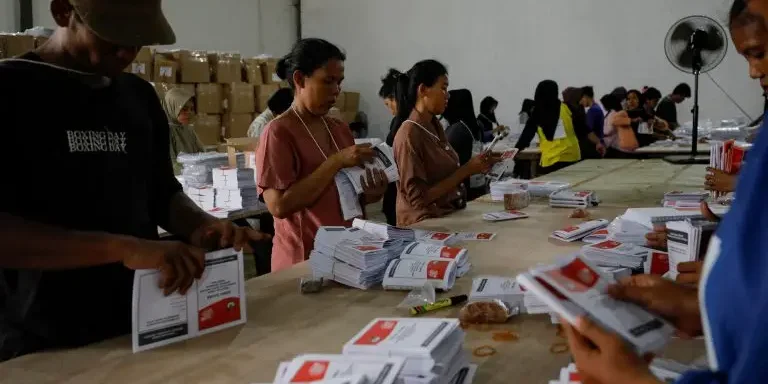
The election was enormous. Reuters reported that 204.8 million Indonesians were eligible to vote on 14 February 2024, making it one of the largest single-day democratic exercises in the world. Scale is Indonesia’s democratic achievement — and its democratic problem.
Prabowo won decisively, with AP reporting that he secured 58.6% of the vote after the Constitutional Court rejected challenges from his rivals. But landslides can blur as much as they reveal. They show popularity, yet they can also hide how uneven political resources are.
Indonesia’s democracy has never been a simple morality play between reform and authoritarianism. It is a negotiation between voters, oligarchs, religious organisations, parties, courts, celebrities and local fixers.
The question after 2024 is not whether Indonesia remains democratic. It is what kind of democracy it is becoming: competitive, transactional, centralised, or still open enough for citizens to surprise the elites.
Author: Aditya Pratama is a political sociologist and expert in Indonesian governance and Southeast Asian studies.