Photo:Aljazeera/Archive
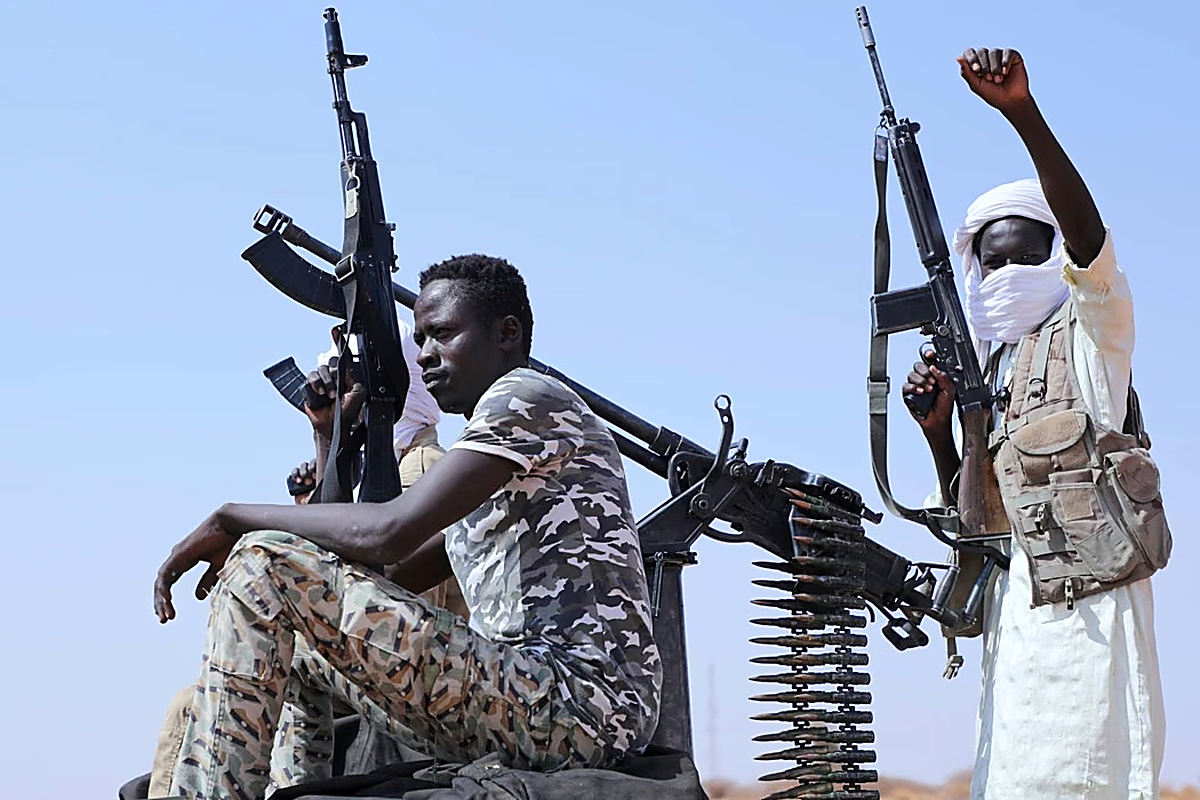
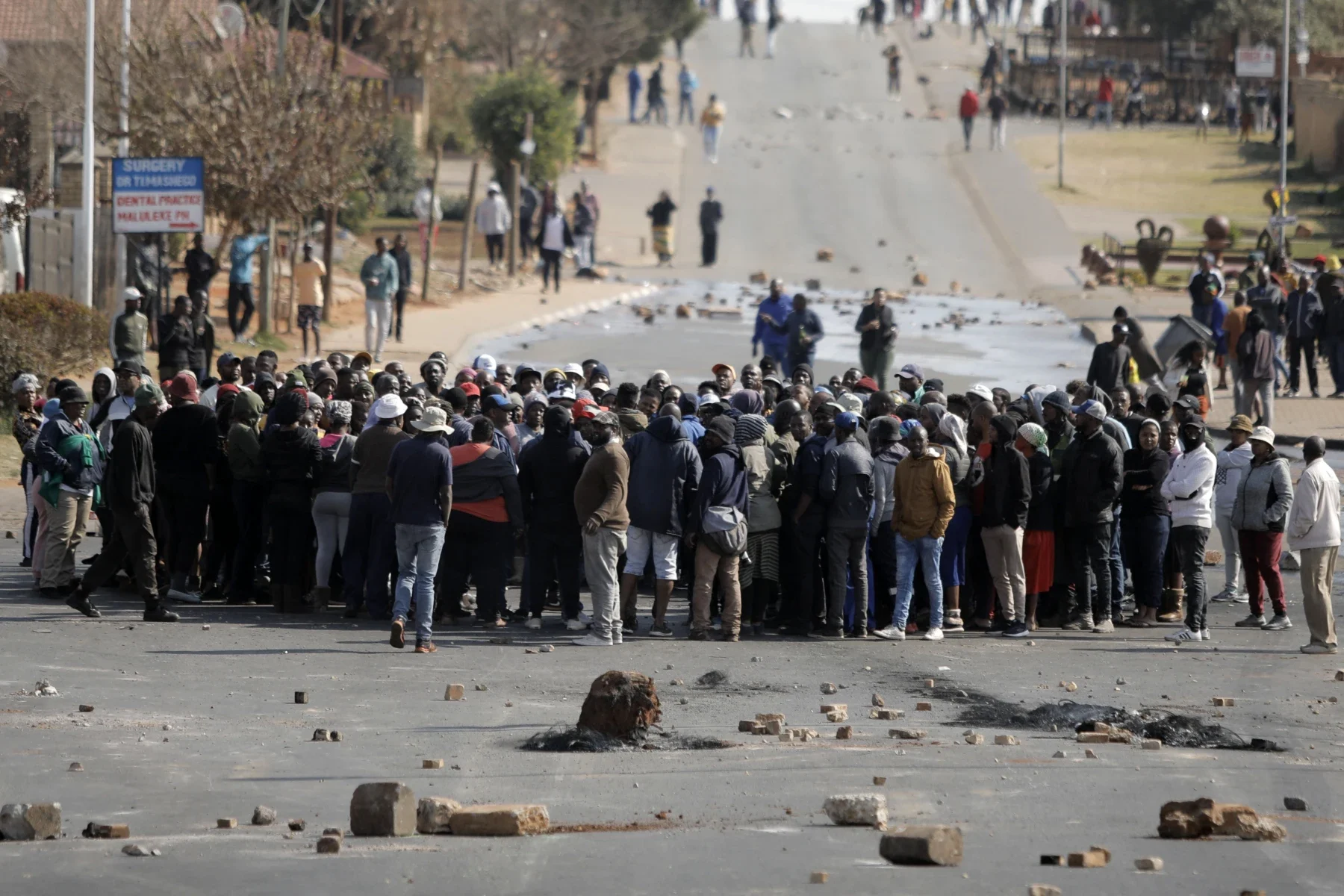
From the storming of Kenya’s Parliament in June 2024 to the fall of Andry Rajoelina’s government in Madagascar in October 2025, and from the crowds marching down Tunis’s Avenue Habib Bourguiba to the youth marches that shook Lomé and Dakar, a single continental pattern has become impossible to ignore. Africa’s security architecture — built by the African Union, its regional economic communities, and individual chancelleries — continues to read stability through a vertical, militarised, state-centric lens. The street, meanwhile, has become the continent’s most consequential political actor.
Too often filed under “public order risk” in national threat assessments, these mobilisations are not cyclical tremors to be weathered and forgotten. They are the clearest signal available that the social contract underpinning several African states is eroding faster than institutions can adapt. For analysts and policymakers working on continental security, the operative question is no longer whether to engage this generation, but how fast institutions can be redesigned to do so before the next uprising outpaces them.
A SECURITY DOCTRINE BUILT FOR THE WRONG THREAT
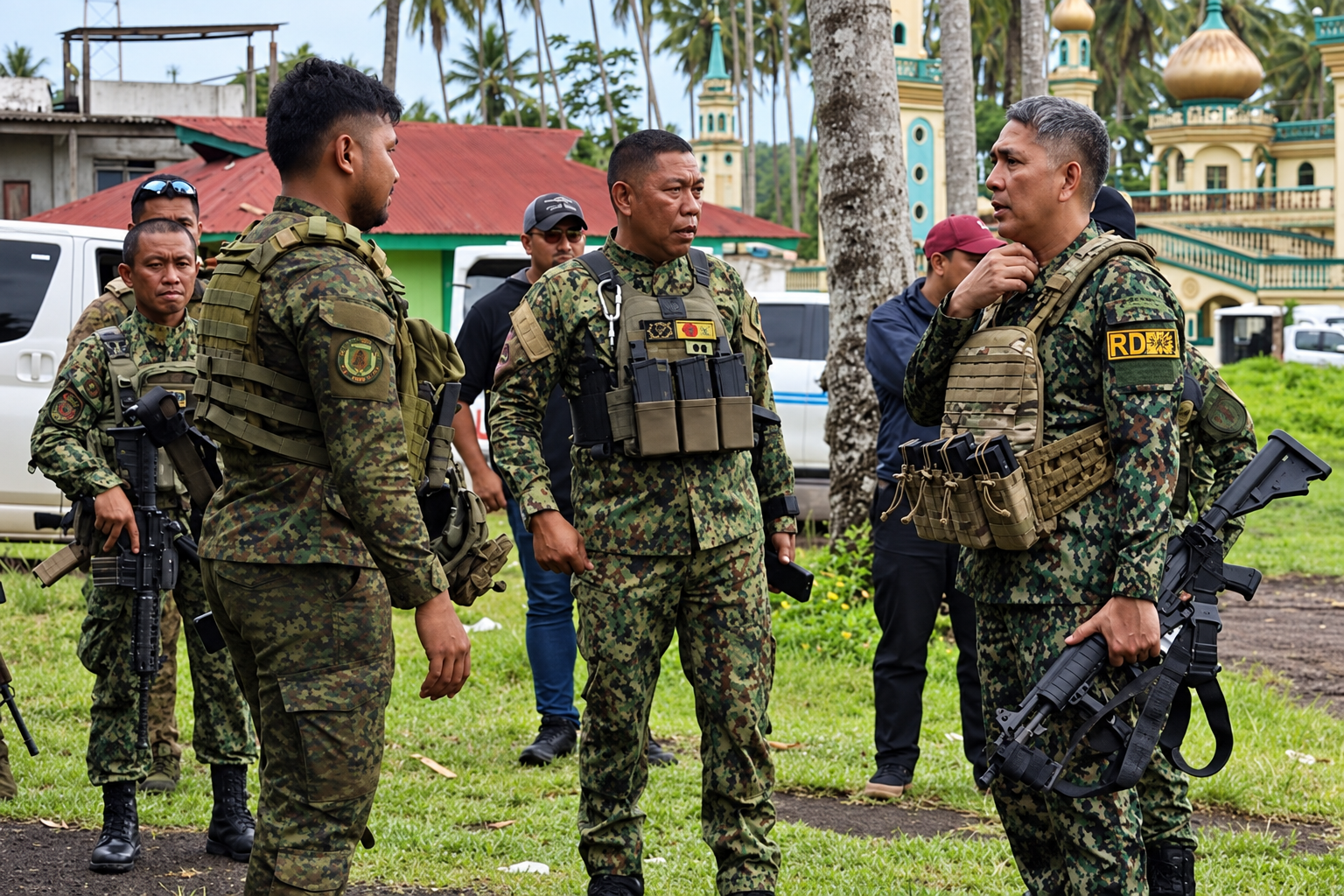
For three decades, the continent’s dominant security doctrine has rested on a narrow equation: security equals law enforcement capacity, border sanctity, and regime protection. The Sahel coup belt — Mali, Guinea, Burkina Faso and Niger, now bound together under the Liptako-Gourma framework — is the starkest illustration of that doctrine’s limits. But the failure is not confined to jihadist theatres. It is visible wherever governments have privileged military procurement and internal-security budgets over the basic services that keep a youth-majority population invested in the state.
Africa’s under-25 population, which the African Union and United Nations project will exceed 60 percent of the continent’s total by the early 2030s, is confronting a compounding set of pressures: shrinking civic and political space, chronic under-employment in a bloated informal economy, and visibly unaccountable elites. Kenya’s #RejectFinanceBill2024 movement crystallised around a tax bill; Madagascar’s uprising began with water and electricity rationing; in Tunisia, the trigger has been the very same combination of blackouts and drinking-water shortages during this summer’s heatwaves, layered onto five years of rule by decree since President Kaïs Saïed’s 2021 seizure of emergency powers. The triggers differ in sequence but not in substance. The underlying grievance — a state that spends on everything except its own citizens — does not.
In each of these cases, the street functioned less as an eruption of “gratuitous sedition” than as the last accessible forum for a generation that has been structurally excluded from formal channels of accountability. Treating that forum purely as a threat to be contained blinds security institutions to the actual driver of instability: a widening gap between what governments deliver and what a hyper-connected, digitally literate youth now expects.
Tunisia illustrates why this pattern deserves close attention right now, not retrospectively. As this piece goes to print, Tunis has entered a second consecutive month of protests against President Kaïs Saïed, and the crowds now include demonstrators — many of them young, first-time protesters mobilised on social media — who had never previously taken to the streets against the government. In the country that gave the region its first successful uprising in 2011, that convergence of everyday hardship, closing political space and a widening, previously unmobilised youth base is precisely the signal Africa’s security institutions can least afford to file away as routine unrest.
FROM PROTEST TO PROPOSITION: ENDOGENOUS RESILIENCE
What distinguishes this cycle of mobilisation from earlier waves of unrest is its organisational character. The decentralised networks behind Kenya’s 2024 and 2025 protest waves, and the loosely coordinated groups now sustaining Tunisia’s second consecutive month of protests, have operated with no identifiable central leadership, no single partisan affiliation, and a demonstrated capacity to sustain pressure over weeks or months — Kenya’s withdrawal of its finance bill being one concrete outcome of that pressure. This is not chaos. It is a form of political organisation that traditional security services are not yet built to read, let alone engage constructively.
The same civic infrastructure that mobilises protest is, in calmer periods, filling gaps the state has vacated: crowd-sourced fact-checking against disinformation, community-led humanitarian response, informal-sector entrepreneurship networks, and localised early-warning chains that often detect unrest before any government agency does. Human security in much of Africa today is being produced at the grassroots, not decreed from ministries. A security architecture that excludes these actors from its monitoring and mediation frameworks is, in effect, discarding its most reliable early-warning network.
TOWARD A NEW COLLECTIVE SECURITY PACT
Rebuilding Africa’s security architecture for this decade requires a deliberate shift from a state-security paradigm to a human-security one. Three lines of action follow directly from the pattern observed across Nairobi, Tunis, Lomé, Dakar and Antananarivo since 2024:
- Institutionalise inter-generational dialogue. The AU’s Continental Early Warning System, together with ECOWAS, SADC and IGAD mechanisms, should formally embed youth-movement and civil-society representation in crisis-monitoring and mediation structures — not as observers, but as participants with standing.
- Redefine the threat baseline. Natural-resource mismanagement, service-delivery failure and climate stress should be tracked as security-threat multipliers within national and regional risk assessments, on par with armed-group activity, and require joint state-citizen response protocols rather than security-only ones.
- Treat civic capital as an investment, not a liability. Governments that criminalise digital organising or peaceful assembly are eroding the very social cohesion that gives them stability. Recognising Gen Z’s civic engagement as a stabilising asset — and resourcing it accordingly — is cheaper, and more durable, than policing it after the fact.
None of this implies romanticising street politics or assuming every mobilisation is benign; Madagascar’s post-uprising trajectory, where entrenched interests re-asserted themselves even after the government fell, is a caution against expecting protest alone to deliver institutional renewal. The point is narrower and more operational: a continental security architecture that cannot read, engage, or channel its most consistent political actor is, by definition, incomplete.
CONCLUSION
Africa’s security in this decade will not be secured by force projection alone, nor by shielding incumbents from the demands of populations they have failed to serve. It will be secured through a reconciliation between institutions and the generation now setting the continent’s political tempo. Treating Gen Z and organised civil society as co-investors in stability, rather than as a public-order variable to be managed, is the strategic re-calibration Africa’s collective security architecture can no longer defer.
Dr Nizar Chaari is a senior consultant, strategist and media executive with over 30 years of experience in media, public affairs and pan-African leadership engineering. He is President of Tunivisions Group and founder of the Tunivisions Foundation and EPIK Leaders, a pan-African youth movement active in 15 countries. He specialises in grand strategy, digital transformation and organisational leadership.