1. Strategic Calculus Behind the Dual Strikes
The simultaneous targeting of the Saudi Aramco Jazan refinery and the Yemeni Red Sea port of Mocha represents a calculated escalation by the Houthi movement.
Significance of Jazan: Situated in southwestern Saudi Arabia near the Yemeni border, the 400,000-barrel-per-day Jazan refinery is a cornerstone of Saudi energy infrastructure. Striking it serves as a direct message to Riyadh, especially following the kingdom’s recent defense pact formations with regional partners.
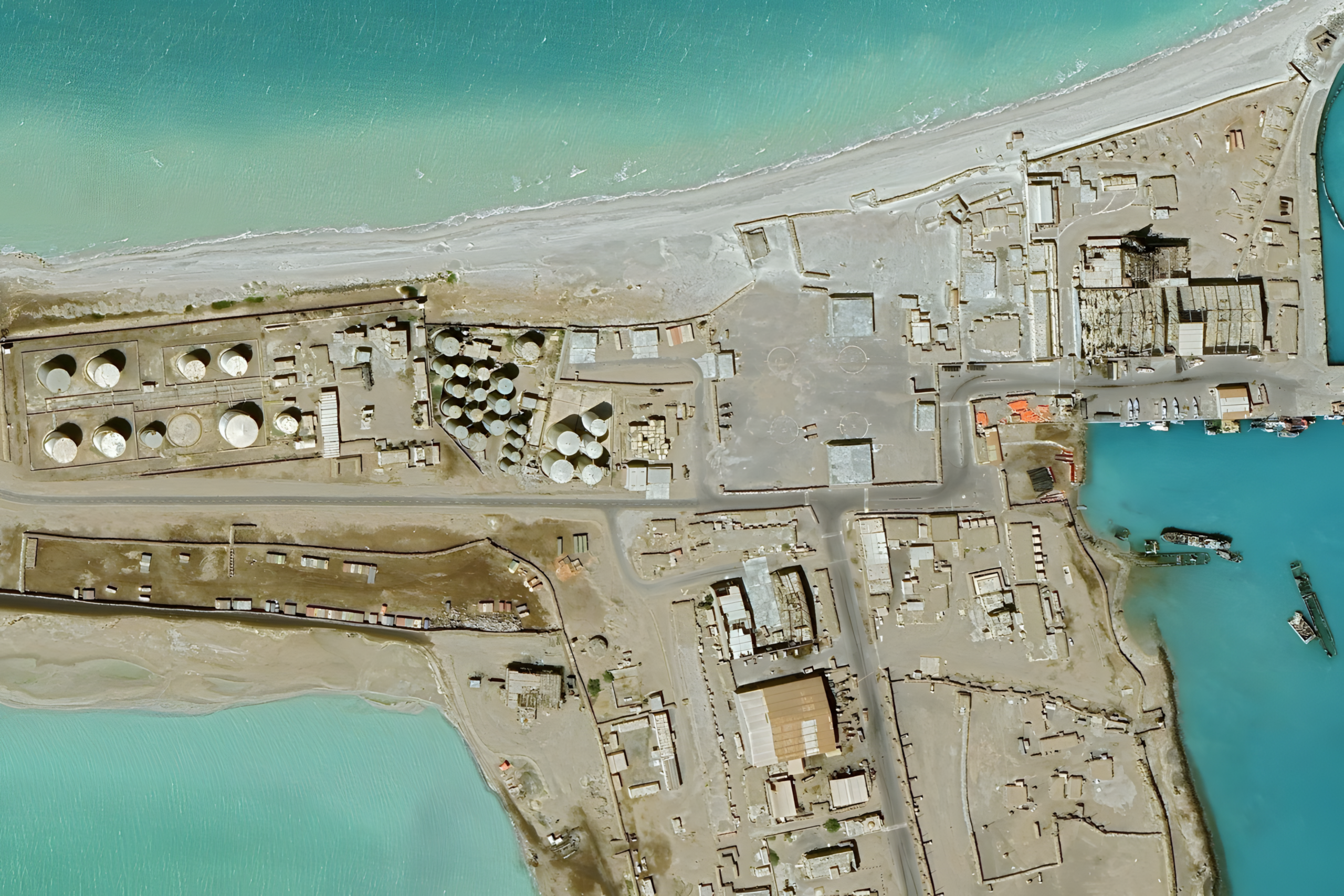
Significance of Mocha: Located near the Bab el-Mandeb Strait, Mocha is a vital lifeline for Yemen’s internationally recognized government. In recent years, it has been heavily relied upon as an alternative entry point for commercial and humanitarian supplies to bypass Houthi-controlled ports like Hodeidah. Striking Mocha disrupts internal Yemeni supply lines and exerts pressure on the Saudi-backed administration.
2. Regional Ripple Effects and Energy Security
These attacks underscore how deeply local Yemeni dynamics are intertwined with broader Middle Eastern flashpoints:
The Energy Corridor Threat: The Bab el-Mandeb Strait is one of the world’s most critical maritime bottlenecks, channeling energy shipments and international commerce between the Indian Ocean, the Gulf of Aden, and the Red Sea. Houthi actions effectively enforce a self-declared naval blockade, forcing global shipping to weigh severe logistical delays and inflated insurance costs.
Wider Geopolitical Alignment: The timing—occurring closely on the heels of new regional defense pacts and heightened tensions involving Iran—suggests the Houthis are acting as an aggressive forward arm of the broader “Axis of Resistance,” synchronizing local pressures with regional standoffs.
3. The Collapse of the Truce Framework
For years, the 2022 UN-brokered truce provided a fragile ceiling on major multi-party warfare within Yemen, shifting clashes from active battlefields to localized skirmishes and diplomatic stalemates.
The scope of these latest drone and ballistic missile salvos, coupled with mounting casualties in Mocha and surrounding governorates, signals that the architecture of the 2022 truce is near collapse. Both sides are rapidly sliding back into open hostilities, threatening to plunge Yemen back into intensive civil war while holding global trade hostage in the Red Sea.
Author: Mauritius-based Bruneau Laurette is Director of DRCS Africa HQ and an elite defence and security consultant with over 25 years of experience in high-risk environments, maritime anti-piracy and port security. He has advised the governments of Mauritius, Seychelles and Tanzania, established specialist tactical units and trained law enforcement and correctional officers.