Expert voices on international security

Research, analysis and strategic advisory

UAVs and the Changing Face of Tactics

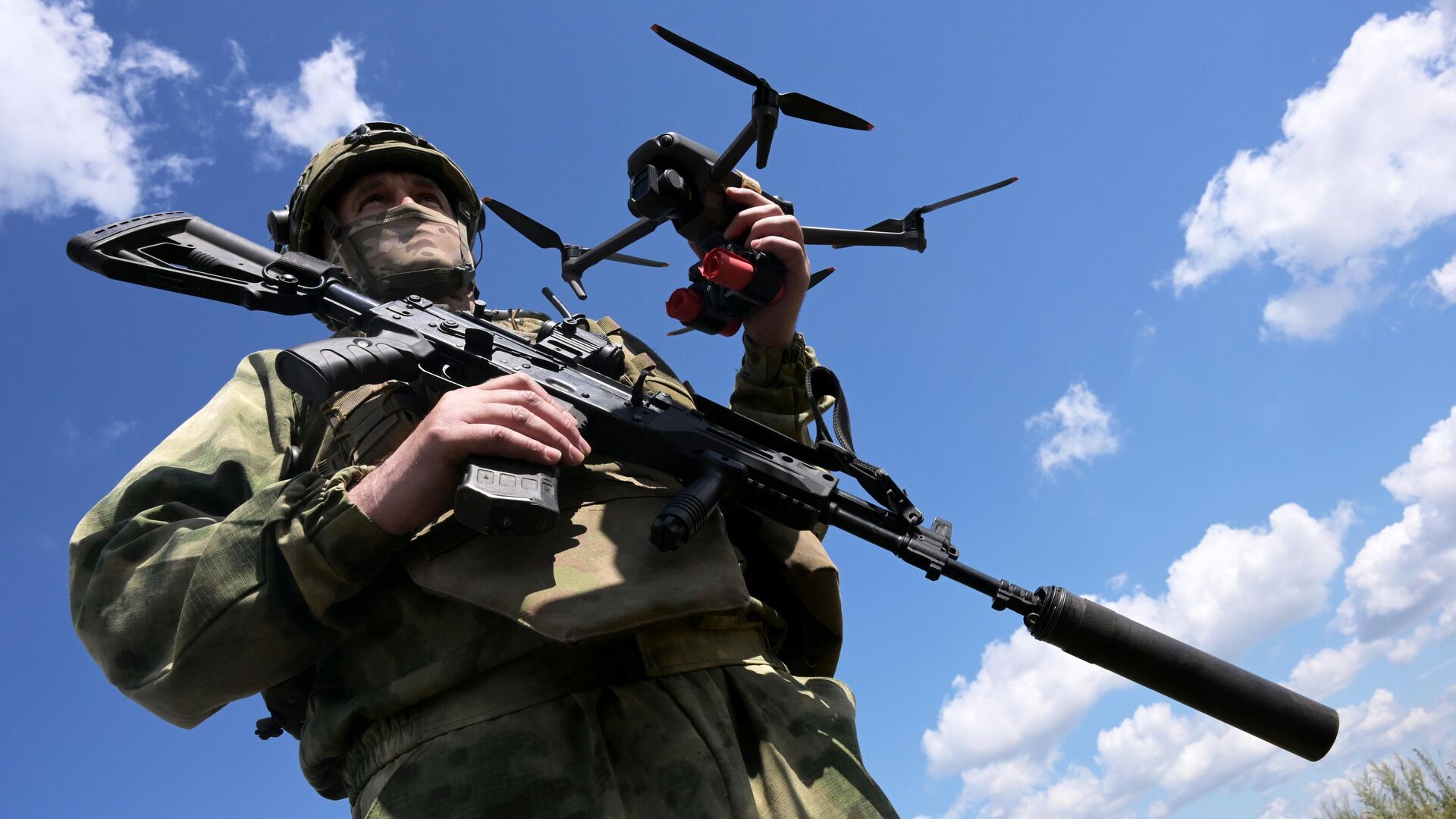
Uncrewed aerial vehicles, often called UAVs or drones, have changed the way modern forces think about the battlefield. Once seen mainly as tools for reconnaissance, they are now used for surveillance, targeting, supply delivery, and direct attack. Their growing presence has made operations faster, more flexible, and more dependent on real-time information.

One of the biggest tactical changes is in observation. UAVs allow commanders to watch enemy movement, terrain, and weak points without risking pilots or large patrols. This constant view from above improves decision-making and reduces uncertainty, giving smaller units better awareness than they had in the past.

UAVs have also changed the speed of attack. Information gathered by a drone can be passed quickly to artillery, infantry, or other aircraft, shortening the time between spotting a target and striking it. In some cases, armed UAVs can carry out the attack themselves, making battlefield responses more immediate and precise.

At the same time, these systems have forced armies to rethink defence. Camouflage, movement, and concealment are now more difficult when small drones can search wide areas at low cost. Forces must invest more in electronic warfare, air defence, and counter-drone tactics to protect positions and equipment from detection or sudden attack.

Overall, UAVs have reshaped tactics by combining visibility, speed, and adaptability. They do not replace traditional military strength, but they change how it is used. As UAV technology continues to improve, their influence on planning and combat is likely to grow even further.
The Throne, the Patrons and the Treasury: Why Africa’s Wars Do Not End

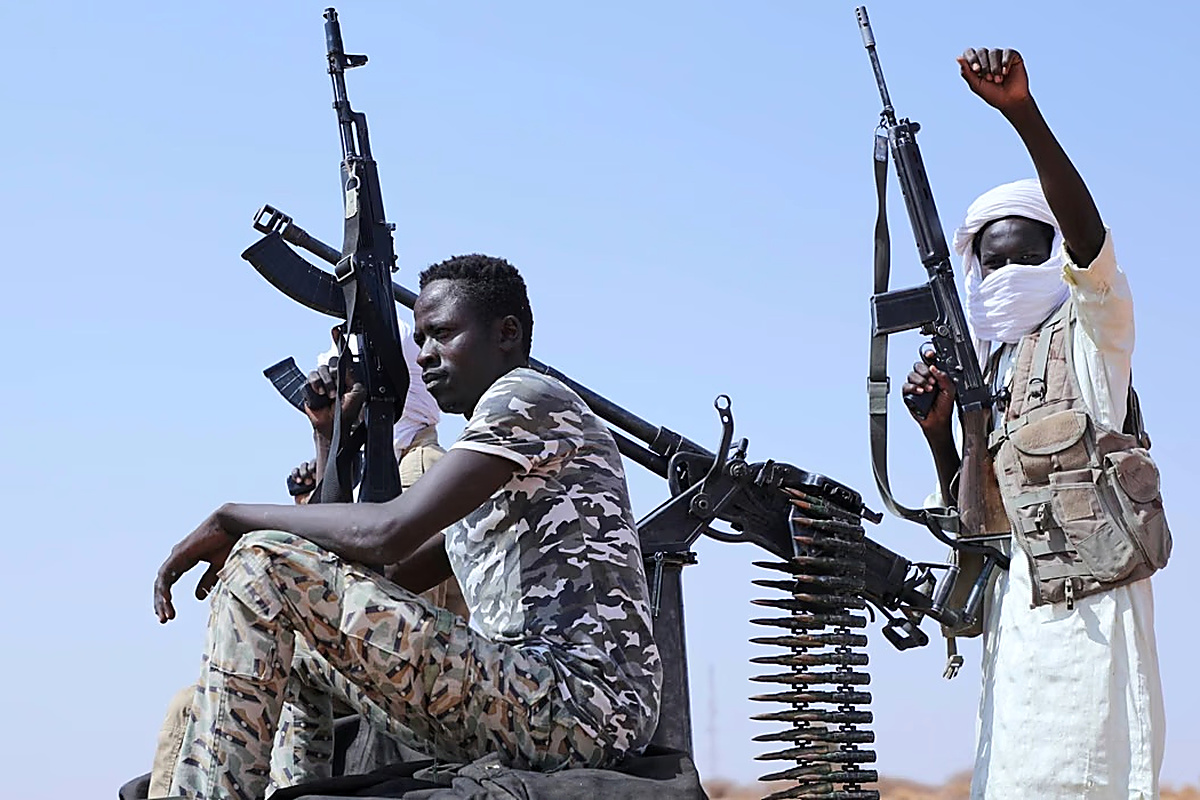
Photo: AP Photo/Mohnd Blal Across the continent, armed conflicts follow a recurring script: a contested claim to power, foreign[…]

The Killing of a Dawlah Islamiyah-Hassan Group Leader: Security Implications and Militant Sympathies

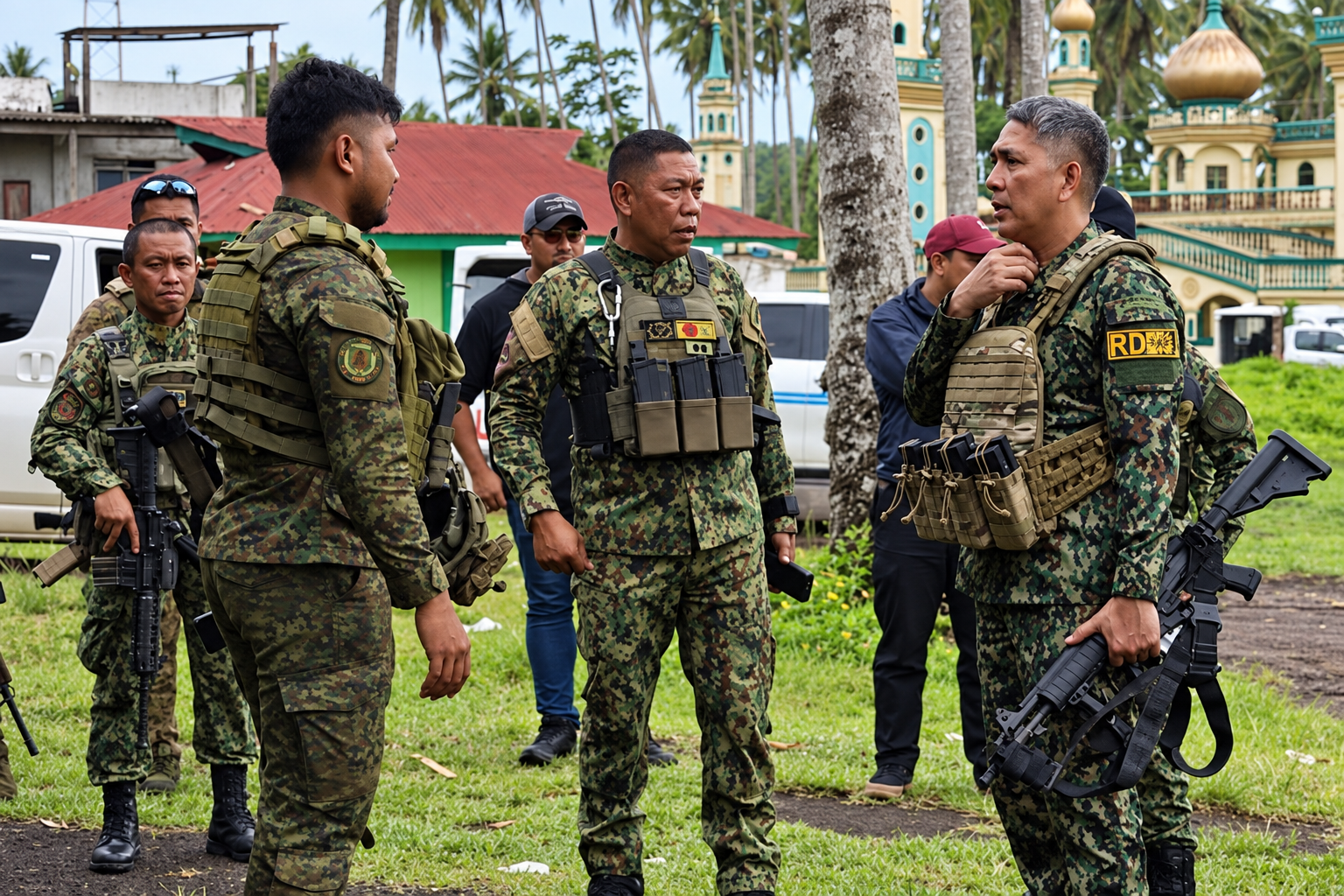
Photo: The STAR, John Unson Suspected leader of the Dawlah Islamiyah (DI)-Hassan Group, Yusa Ganoy, along with three of[…]

The Geopolitics of Despair: Why North Africa’s Social Crisis Is a Security Crisis

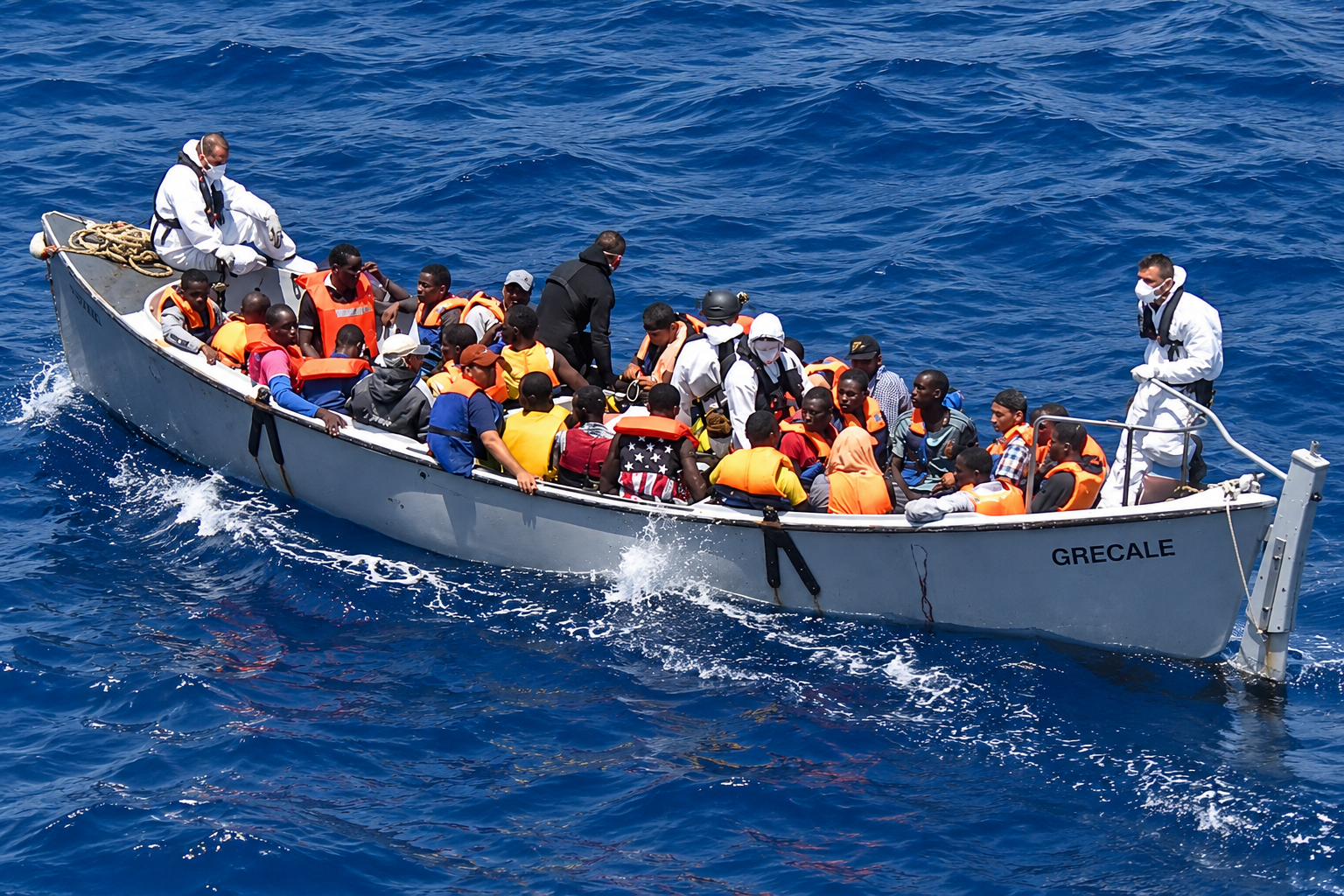
Photo: Italian Navy Europe’s border-first approach treats the symptoms of youth hopelessness in the Maghreb while its political and[…]

African Union Air defence AIS Ansar Allah Asymmetric warfare Bab el-Mandeb Ballistic missiles China commercial shipping Donald Trump Drones Drone warfare Energy Security Flight tracking geopolitical risk Geopolitics global trade Gulf of Aden Gulf security Gulf states Hormuz Horn of Africa Houthis India Indian Ocean Iran Maritime Chokepoints Maritime Domain Awareness Maritime Intelligence maritime risk Maritime security maritime threats Maritime Trade Mauritius Middle East security Military aviation Military technology naval operations Naval Security Oil markets Open-source intelligence OSINT Pakistan Persian Gulf port security Red Sea Red Sea Security Regional Security Russia Russia-Ukraine war Sahel Saudi Arabia Shadow Fleet Shipping Risk Shipping Routes shipping security Somalia Somali piracy Strait of Hormuz Strategic Autonomy supply chains Supply chain security Turkey Ukraine United Arab Emirates United States Yemen