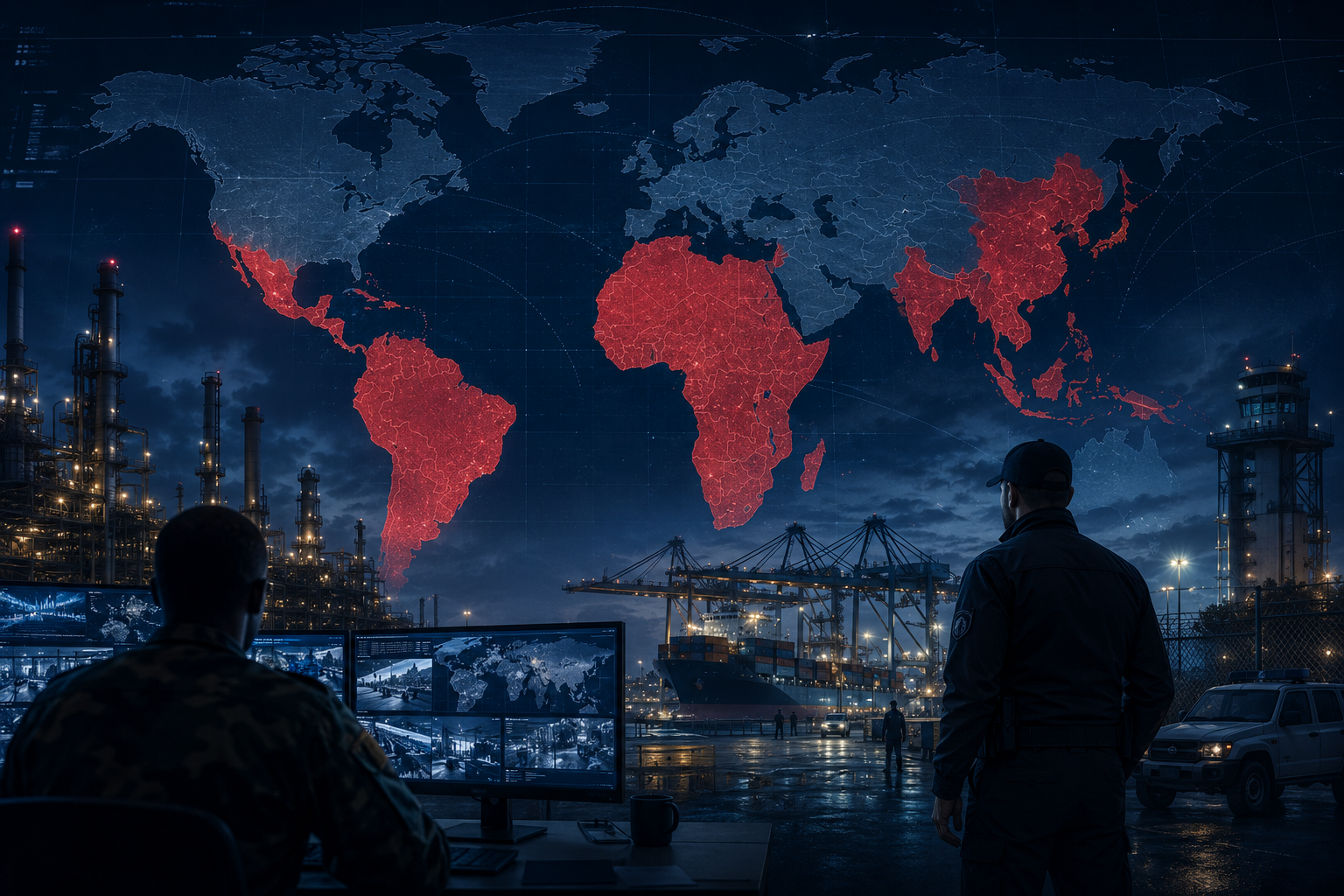
At first glance, the geopolitical shifts remaking Latin America, the multilayered security crises fracturing the African continent and the industrial and energy race in East Asia belong to disparate strategic arenas. One is defined by hemispheric realignment and law-and-order governance, the second by transnational insurgencies and maritime chokepoints and the third by high-velocity manufacturing and techno-industrial competition.
Yet, they are intimately connected by a singular, overarching reality: the global macro-security landscape has entered an era of acute volatility, and the traditional models designed to manage risk are failing.
Just as the foundational article on Africa’s security architecture argues that continental crises are driving the private security sector beyond its “race-to-the-bottom” model, a parallel transformation is unfolding globally. Across emerging markets and strategic frontiers, the convergence of geopolitical polarisation, transnational crime and critical infrastructure vulnerabilities is acting as the ultimate stress test for the security industry—forcing a definitive split between legacy compliance operators and high-capability strategic partners.
The Global Convergence: Three Fronts of Structural Volatility
To understand why the commercial security sector is undergoing a profound restructuring, one must examine how geopolitical and regional pressures are escalating operational risk across the globe.
1. Latin America: The Security-First Realignment
Latin America is undergoing a sharp political shift as voters reject economic stagnation and rampant transnational crime in favour of hardline, law-and-order administrations. This shift—spurred by citizen fatigue and renewed US strategic postures—is reshaping the region’s risk profile:
Tighter Security Integration: Governments are moving away from multipolar balancing acts, forging bilateral intelligence-sharing arrangements and conducting joint operations against powerful cartels.
Critical Infrastructure Realignment: Pro-US leadership is altering state contracts, favouring Western supply chains in ports, energy grids and digital networks to mitigate geopolitical friction.
The Risk Factor: For multinational corporations and critical asset operators, navigating this polarised political environment requires sophisticated local intelligence, regulatory compliance and risk-mitigation strategies that low-tier operators cannot provide.
2. The African Continent: From the Sahel to the Indian Ocean
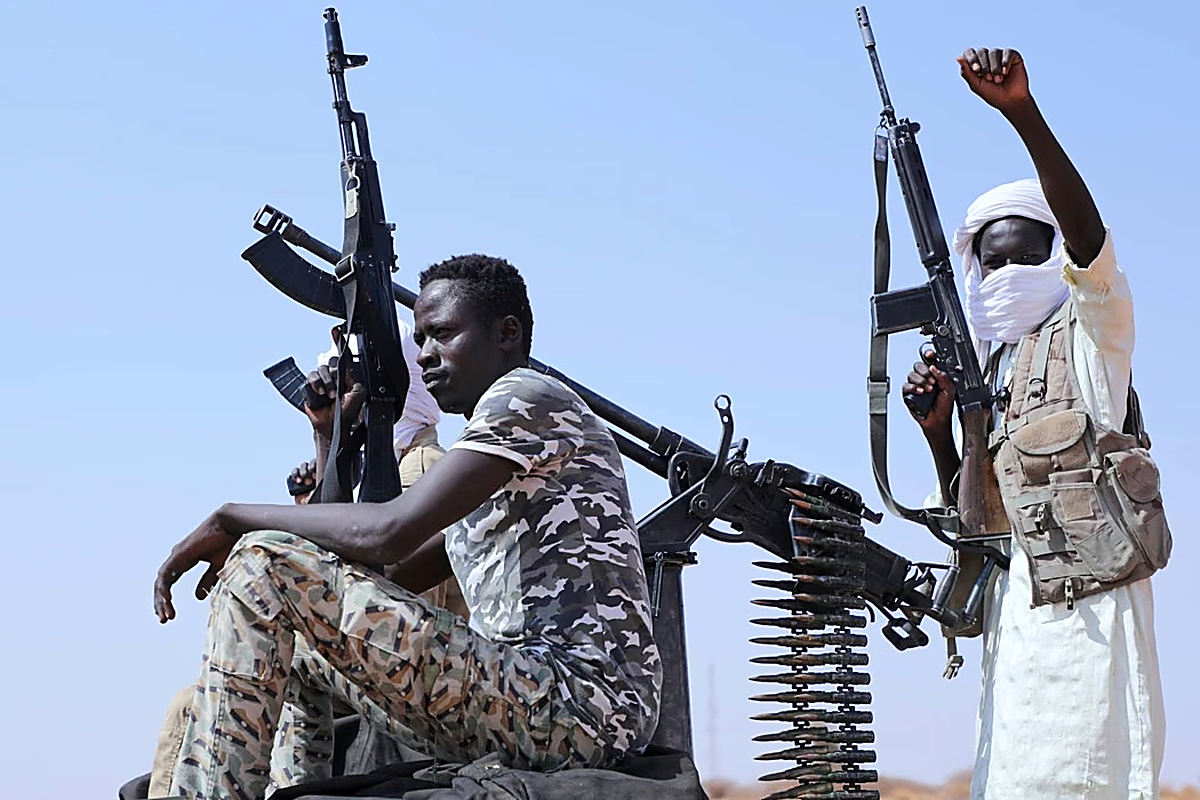
Africa’s security architecture faces an unprecedented convergence of multilayered threats that transcend domestic borders:
The Sahel Corridor: A sprawling nexus of violent extremist organisations, such as JNIM and ISWAP, is exploiting governance vacuums and military coups to establish territorial control.
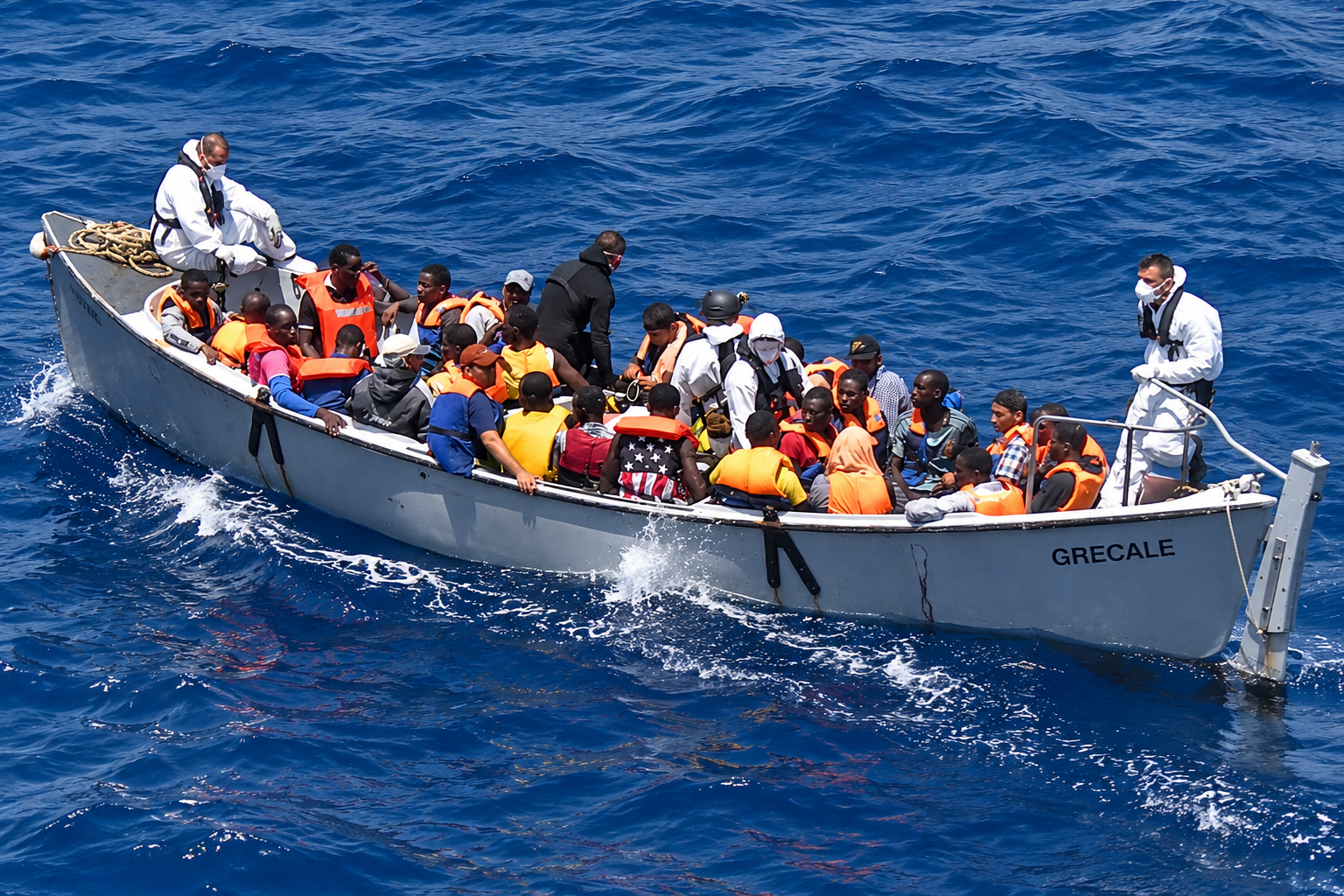
The Maritime Flanks: Persistent instability stretches from the oil bunkering and piracy plaguing the Gulf of Guinea to the vital trade routes of the Western Indian Ocean.
The Operational Implication: These are systemic threats to global supply chains and energy transport. State militaries, often resource-constrained, are increasingly reliant on robust private security frameworks to secure critical corridors.
3. East Asia: Industrial Velocity and Energy Vulnerability
While East Asia anchors global manufacturing, technology and AI infrastructure, its geopolitical competition and surging energy demands create distinct security pressures:
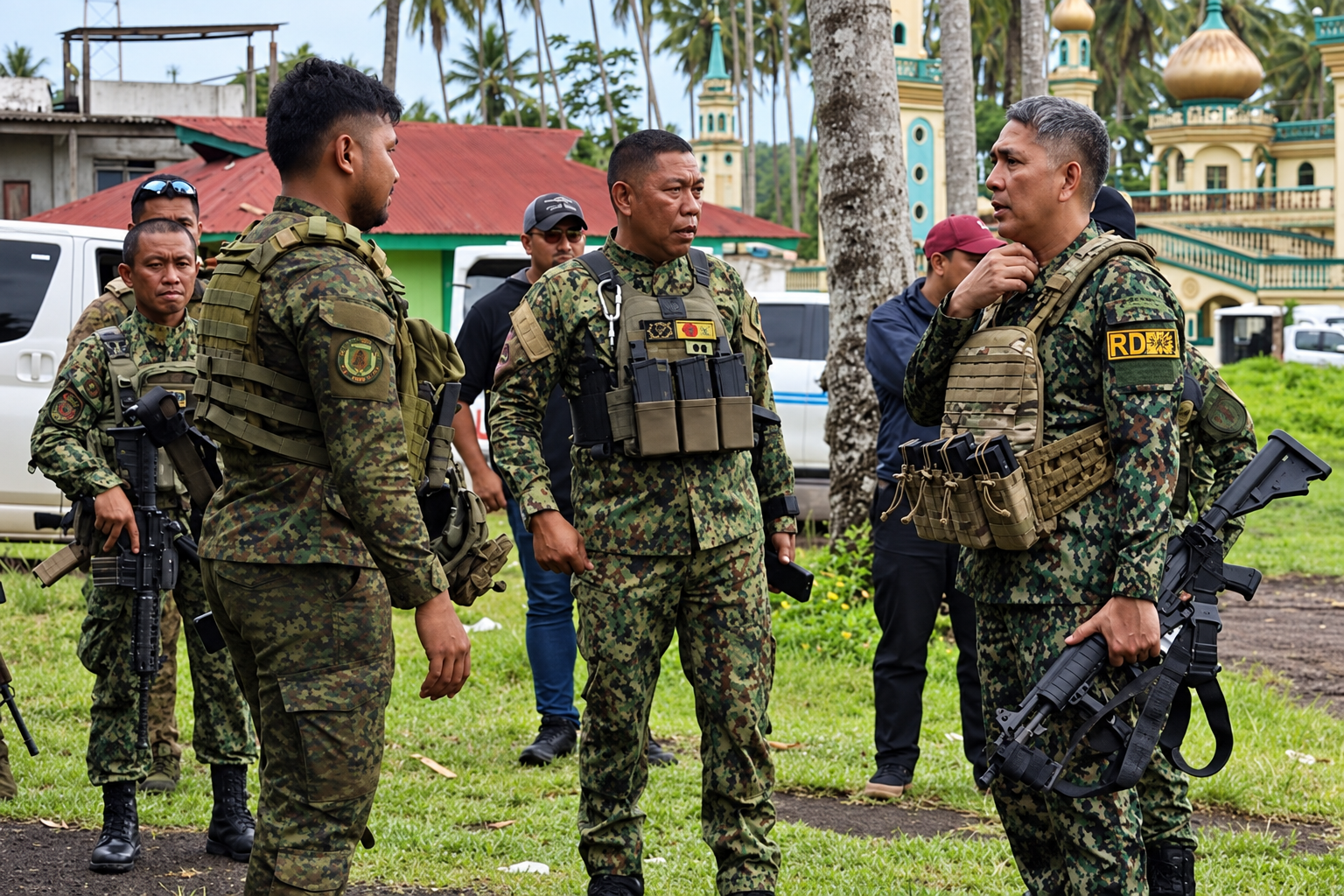
Strategic Alignments: While maintaining deep commercial ties with Beijing, regional democracies, including Japan, South Korea and key ASEAN states, are tightening security and intelligence coordination with the West to deter coercion.
Energy and Critical Infrastructure Security: With massive industrial activity and data-centre expansion driving power demand, governments are moving aggressively to secure liquefied natural gas contracts, next-generation nuclear energy and critical mineral supply chains against external shocks.
Breaking the “Race-to-the-Bottom” Model
Across all three theatres, a common thread unites these geopolitical shifts: the cost of security failure has become catastrophic.
For decades, many commercial security buyers treated protection as a low-cost commodity—a check-the-box compliance exercise satisfied by a “cheap guard at the gate”. The expanding arc of global insecurity, whether driven by transnational cartels in the Americas, insurgencies across Africa or critical infrastructure vulnerabilities in Asia, shatters this illusion.
Client Sophistication Is Being Forced to Evolve: Risk directors and procurement managers navigating high-stakes environments can no longer afford to focus solely on the bottom line. They require verified intelligence capabilities, rigorous vetting, robust logistics and disciplined execution.
The Exposure of Low-Tier Operators: Security providers built on minimal margins, high personnel turnover and zero operational depth are breaking under the weight of complex, transnational threats.
Talent Concentration: The industry’s internal pressures—such as wage constraints and talent-pipeline bottlenecks—are coming to a head because the external threat environment demands professionalisation. Experienced security professionals are naturally migrating towards companies equipped to handle high-stakes environments.
Defining What Comes After
The macro-security crises reshaping Latin America, Africa and East Asia demonstrate that the era of cheap, commoditised security is over.
For the private security sector, this restructuring is no mere market correction. It is an operational necessity driven by a dangerous, interconnected world. The companies, risk executives and asset operators that treat this era not as a temporary crisis to be survived but as the definitive moment to professionalise and align their capabilities with global realities will define the next decade of international resilience.
Author: Mauritius-based Bruneau Laurette is Director of DRCS Africa HQ and an elite defence and security consultant with over 25 years of experience in high-risk environments, maritime anti-piracy and port security. He has advised the governments of Mauritius, Seychelles and Tanzania, established specialist tactical units and trained law enforcement and correctional officers.