One of the most important questions about the war is not simply who advances on the map, but whether Russia can sustain the conflict over the long term without suffering internal rupture. Much of the public debate focuses on daily battlefield developments, yet the deeper issue is endurance: resources, military structure, public tolerance and strategic depth. When viewed through that lens, the conflict appears less like a short, decisive campaign and more like a test of which side can continue absorbing costs for the longest period.
A central part of that assessment is the contrast between dependence and relative self-sufficiency. Ukraine remains heavily reliant on external military, financial and political support, while Russia is in a stronger position to sustain its war effort from within its own system. That does not mean Russia faces no strain, but it does mean its capacity to keep the conflict going is shaped by a broader domestic base of manpower, industry and state control. In that context, slow progress on the battlefield does not automatically signal strategic weakness if the wider war machine remains functional.
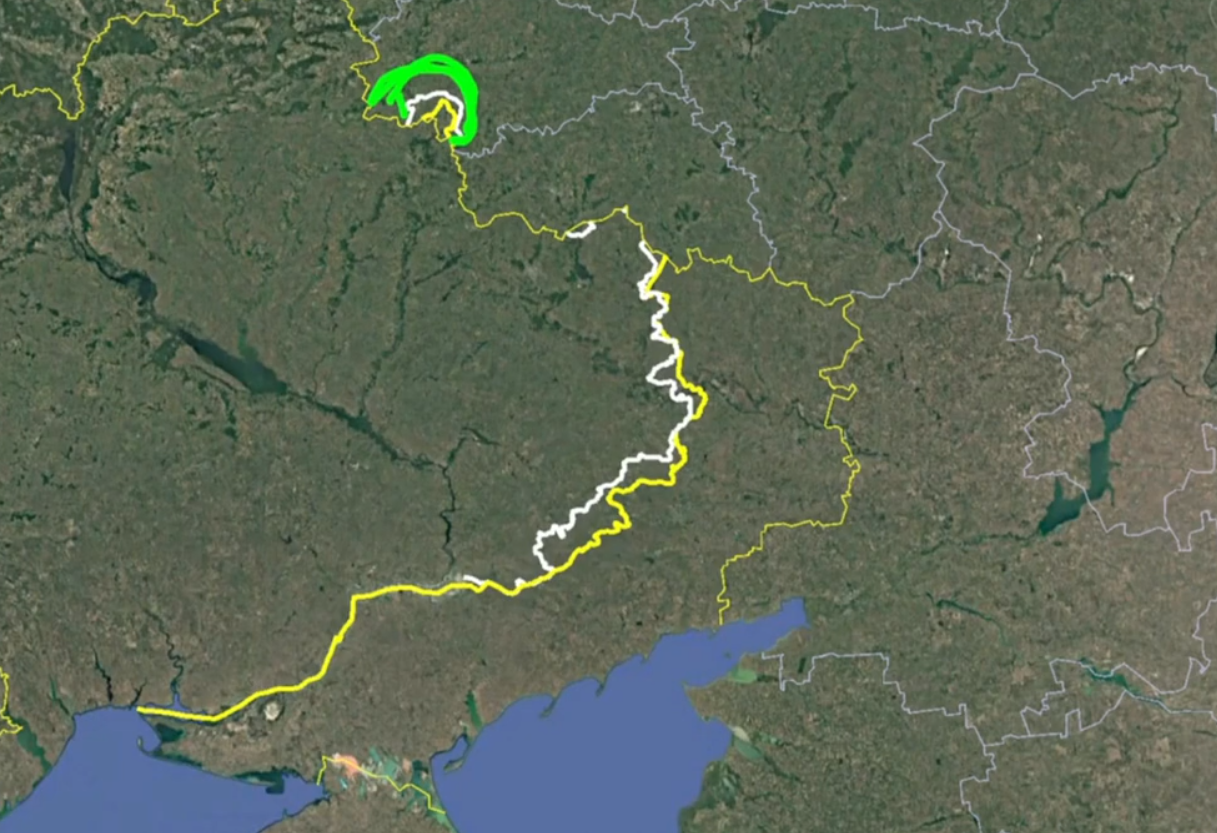
The nature of operations in 2025 also matters. Out of an overall front of roughly 1,200 kilometres, only around 360 kilometres were defined by offensive dynamics, while the rest was characterised by containment and defence. Terrain, rivers and difficult ground have played a major role in slowing movement and reinforcing defensive logic. This helps explain why the map can appear to change only gradually while the war itself remains highly active. Russia’s numerical weight and strategic depth allow it to rotate forces, maintain pressure and pursue advances through encirclement, flank pressure and attritional manoeuvre rather than relying solely on rapid breakthroughs.
The internal burden of war is also shaped by who is fighting and how the costs are distributed. In Russia, a substantial share of participating personnel are described as volunteers and contractors, with many carrying out support rather than direct frontline roles. That reduces social pressure in major urban centres and lowers the political visibility of losses. The role of local forces in Lugansk and Donetsk further complicates how casualties and sacrifice are perceived inside Russia itself. Taken together, these factors help explain why the war may remain sustainable for Russia even when territorial gains are slow: the decisive question is not speed, but whether the system can continue functioning without a political, social or military break from within.