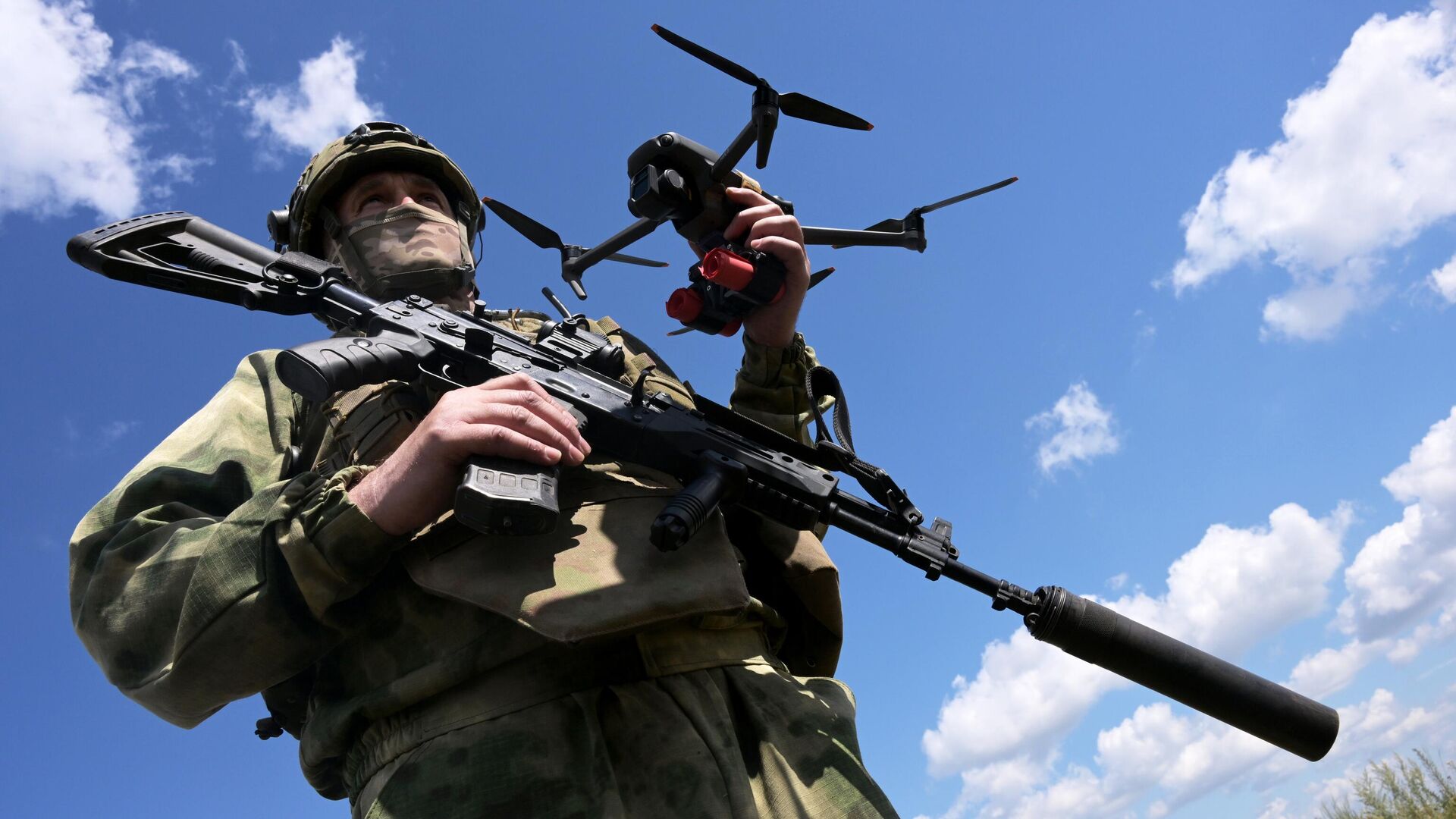
Uncrewed aerial vehicles, often called UAVs or drones, have changed the way modern forces think about the battlefield. Once seen mainly as tools for reconnaissance, they are now used for surveillance, targeting, supply delivery, and direct attack. Their growing presence has made operations faster, more flexible, and more dependent on real-time information.
One of the biggest tactical changes is in observation. UAVs allow commanders to watch enemy movement, terrain, and weak points without risking pilots or large patrols. This constant view from above improves decision-making and reduces uncertainty, giving smaller units better awareness than they had in the past.
UAVs have also changed the speed of attack. Information gathered by a drone can be passed quickly to artillery, infantry, or other aircraft, shortening the time between spotting a target and striking it. In some cases, armed UAVs can carry out the attack themselves, making battlefield responses more immediate and precise.
At the same time, these systems have forced armies to rethink defence. Camouflage, movement, and concealment are now more difficult when small drones can search wide areas at low cost. Forces must invest more in electronic warfare, air defence, and counter-drone tactics to protect positions and equipment from detection or sudden attack.
Overall, UAVs have reshaped tactics by combining visibility, speed, and adaptability. They do not replace traditional military strength, but they change how it is used. As UAV technology continues to improve, their influence on planning and combat is likely to grow even further.