Expert voices on international security

Research, analysis and strategic advisory

The US–Iran MoU Has Expired: Could a New Regional Alliance Increase Pressure on Tehran?

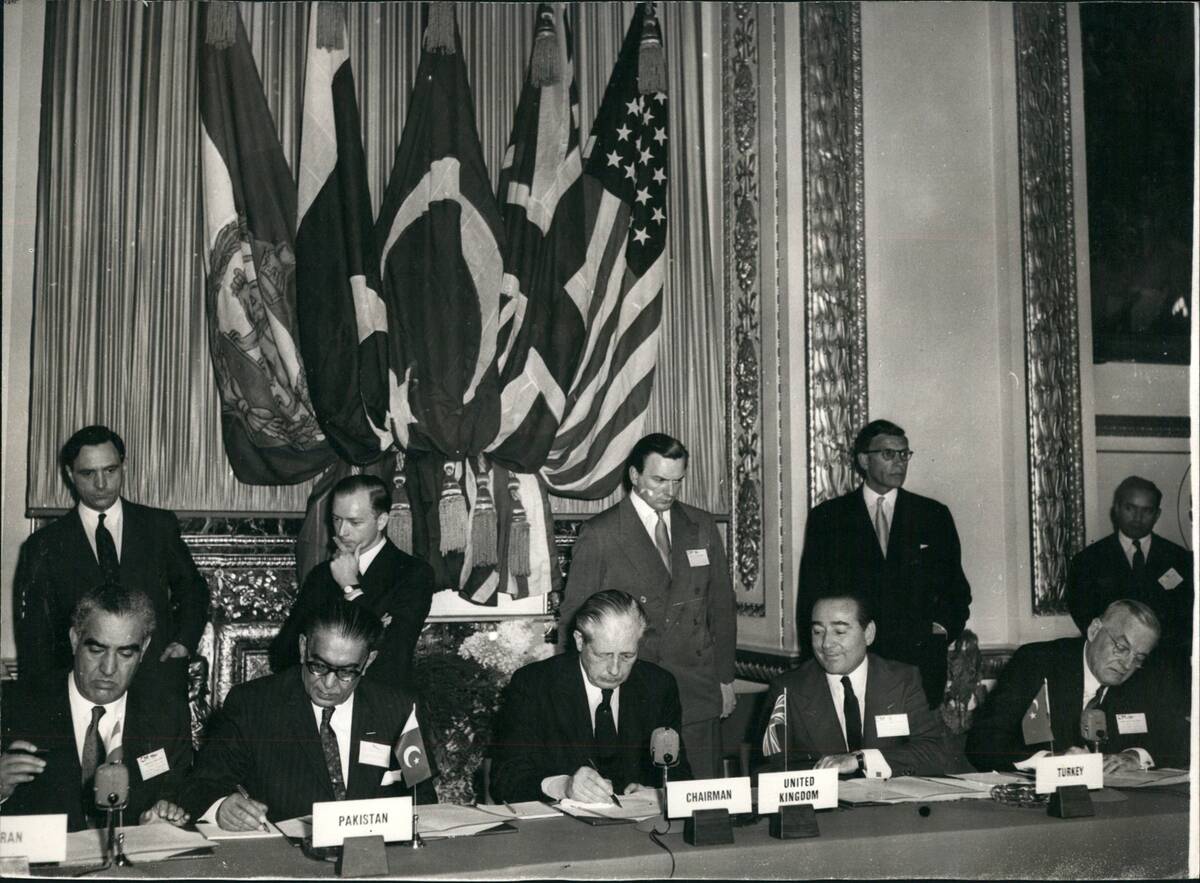
Photo: Keystone Pictures USA/ZUMAPRESS.com /NTB

The memorandum of understanding between the United States and Iran is no longer in force. It could have been extended by mutual agreement, but that ultimately did not happen. Instead of an extension, President Donald Trump hardened his rhetoric today, calling on Iran to raise the “white flag” of capitulation.

  • Trump says the United States remains in contact and negotiations with Iran’s Islamic Revolutionary Guard Corps.

  • Iran completely denies that any negotiations or contacts with the United States are taking place.

  • Tehran says it is prepared to respond to any new US violation.

  • Iran maintains that Washington’s own actions were responsible for preventing the memorandum from functioning.

  • Trump spoke favourably about the new alliance involving Turkey, Saudi Arabia and Pakistan.

  • According to Trump, these countries are taking steps to strengthen their own defence.

This new cooperation is, to some extent, reminiscent of the 1955 Baghdad Pact, which brought Turkey, Iran, Iraq and Pakistan together within a regional security architecture that was then largely directed against Soviet influence. The geopolitical context today is very different, but Trump is speaking increasingly favourably about this emerging alignment. The key question is whether Washington will eventually seek to turn it into another regional instrument of pressure against Iran.

Author: Mikael Darbinian is a former US diplomat, geopolitical and military analyst and founder of Security Observer. He specialises in foreign policy analysis, military affairs and international security.
The Throne, the Patrons and the Treasury: Why Africa’s Wars Do Not End

Photo: AP Photo/Mohnd Blal Across the continent, armed conflicts follow a recurring script: a contested claim to power, foreign[…]

The Killing of a Dawlah Islamiyah-Hassan Group Leader: Security Implications and Militant Sympathies

Photo: The STAR, John Unson Suspected leader of the Dawlah Islamiyah (DI)-Hassan Group, Yusa Ganoy, along with three of[…]

The Geopolitics of Despair: Why North Africa’s Social Crisis Is a Security Crisis

Photo: Italian Navy Europe’s border-first approach treats the symptoms of youth hopelessness in the Maghreb while its political and[…]

African Union Air defence AIS Ansar Allah Asymmetric warfare Bab el-Mandeb Ballistic missiles China commercial shipping Donald Trump Drones Drone warfare Energy Security Flight tracking geopolitical risk Geopolitics global trade Gulf of Aden Gulf security Gulf states Hormuz Horn of Africa Houthis India Indian Ocean Iran Maritime Chokepoints Maritime Domain Awareness Maritime Intelligence maritime risk Maritime security maritime threats Maritime Trade Mauritius Middle East security Military aviation Military technology naval operations Naval Security Oil markets Open-source intelligence OSINT Pakistan Persian Gulf port security Red Sea Red Sea Security Regional Security Russia Russia-Ukraine war Sahel Saudi Arabia Shadow Fleet Shipping Risk Shipping Routes shipping security Somalia Somali piracy Strait of Hormuz Strategic Autonomy supply chains Supply chain security Turkey Ukraine United Arab Emirates United States Yemen