Photo: Royal Thai Navy
MOGADISHU / TEHRAN / MUSCAT — The international maritime security architecture faces severe, simultaneous stress tests across two vital geopolitical chokepoints. While East African monitors scramble to verify the armed boarding of a general cargo vessel off the Somali coast, parallel diplomatic developments in the Middle East reveal both a breakthrough and persistent roadblocks over safe navigation transit maps in the Strait of Hormuz.
East African Theatre: Cargo Vessel LUTUF Seized Near Eyl
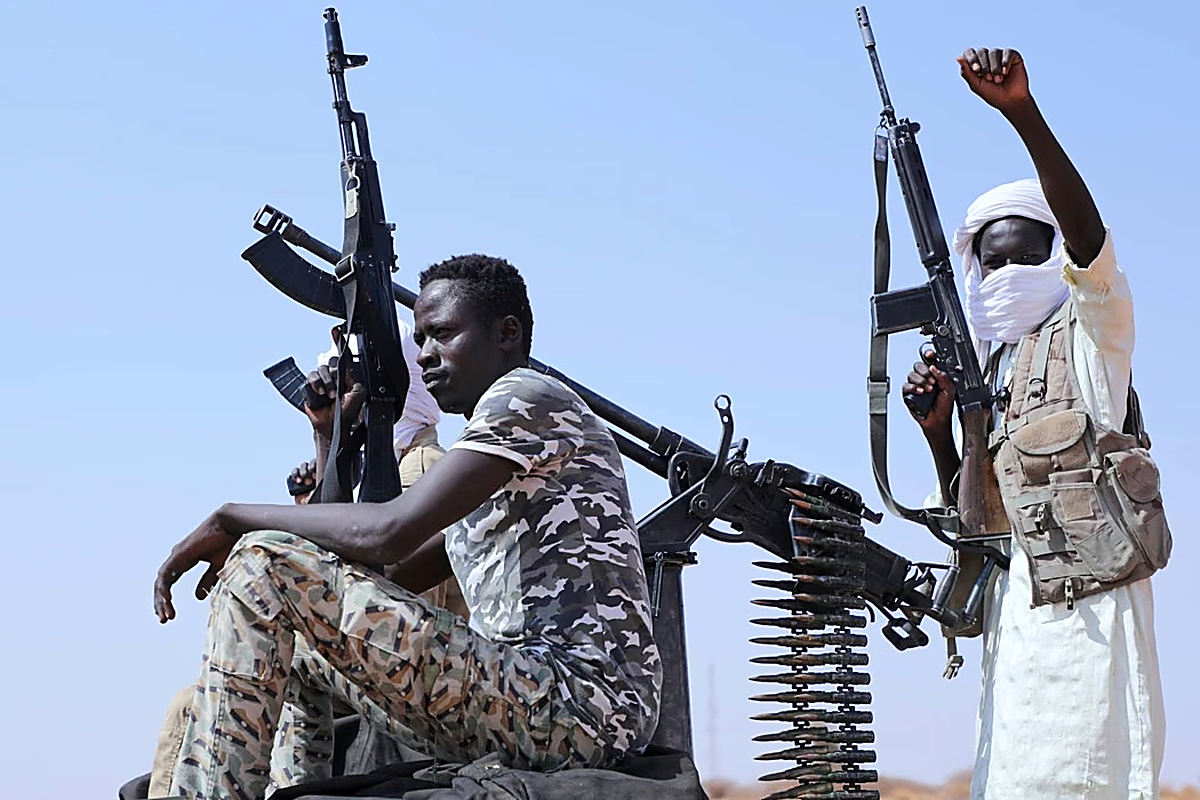
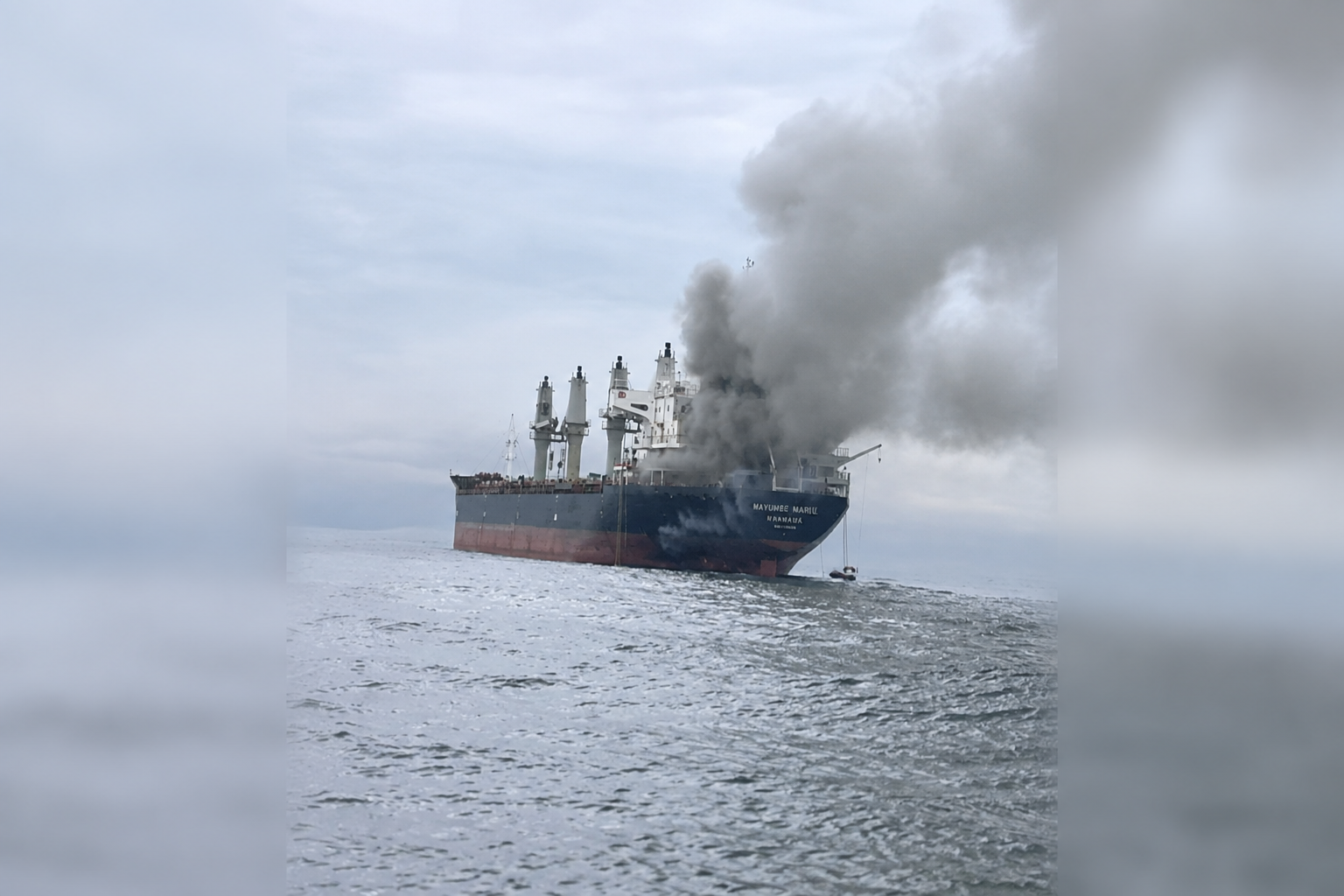
Maritime security agencies have escalated monitoring following the confirmed armed boarding of the Cameroon-flagged general cargo ship LUTUF (IMO: 9109134).
- The takeover: At approximately 11:36 UTC, the vessel’s Company Security Officer reported that eight armed unauthorised persons had boarded and taken control of the ship. The incident occurred roughly 4 nautical miles south of Mareeyo in the Eyl District of Somalia (08°13’N, 050°10’E).
- Regional context: This event underscores the persistent fragility of commercial transits near the Horn of Africa. Analysts note it deepens an existing crisis involving a resurgent wave of regional piracy that—prior to this event—had left at least four other merchant vessels and 44 seafarers held hostage by criminal networks off the Somali coast.
- Current status: International naval forces and regional reporting centres are actively tracking the vessel’s telemetry and heading to verify crew safety and ascertain whether the ship is being forced deeper into littoral safe havens.
Middle Eastern Theatre: Technical Progress and Friction in the Strait of Hormuz
Half a world away, the strategic waters of the Persian Gulf remain under intense geopolitical scrutiny. Iranian Foreign Ministry Spokesman Esmaeil Baghaei announced that technical negotiations between Tehran and Muscat have yielded a mutual agreement on an independent shipping traffic map for the Strait of Hormuz.
- Bilateral framework: Stemming from a memorandum of understanding establishing safe navigation corridors, the newly agreed routing map is designed to balance commercial transit needs with the distinct sovereign rights of both coastal states.
- Geopolitical roadblocks: Despite this technical milestone, Baghaei noted that talks have faced extensive delays, attributing the friction to “malicious parties” and the “destructive efforts” of the United States and Israel.
- Conditional normalisation: Tehran maintains that while the routing map represents a vital bilateral breakthrough, the total normalisation and unhindered physical reopening of commercial transit through the strait remains strictly tied to the lifting of regional sanctions, the cessation of hostile military postures, and the termination of the U.S. naval blockade.
Strategic Synthesis
Together, these concurrent developments illustrate a highly volatile global supply chain landscape. As maritime trade routes in the Middle East navigate complex diplomatic blockades and sovereign safety frameworks, littoral vulnerabilities off East Africa continue to demonstrate that opportunistic armed actors can readily exploit gaps in regional security, placing commercial shipping assets under constant threat.
Author: Mauritius-based Bruneau Laurette is Director of DRCS Africa HQ and an elite defence and security consultant with over 25 years of experience in high-risk environments, maritime anti-piracy and port security. He has advised the governments of Mauritius, Seychelles and Tanzania, established specialist tactical units and trained law enforcement and correctional officers.