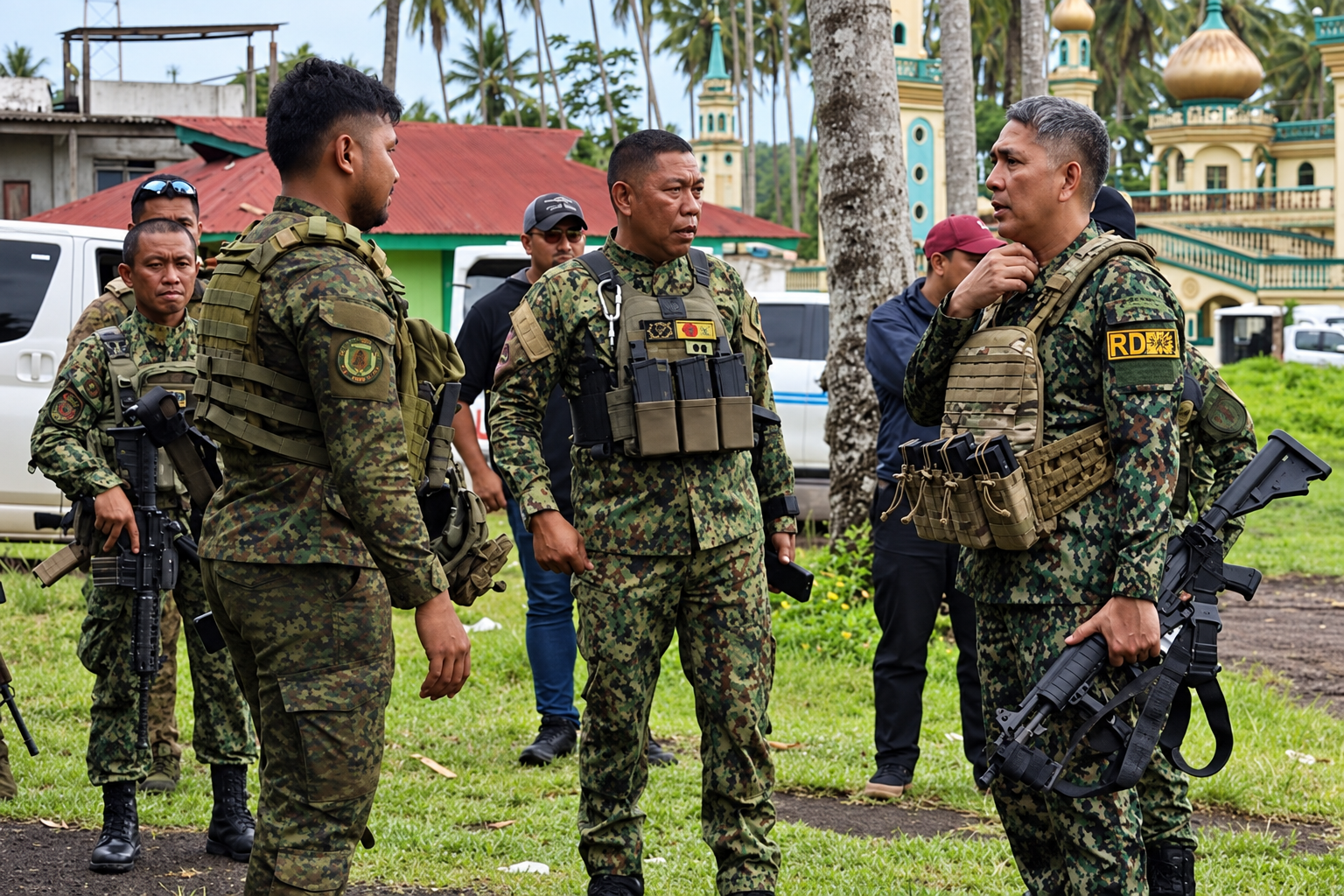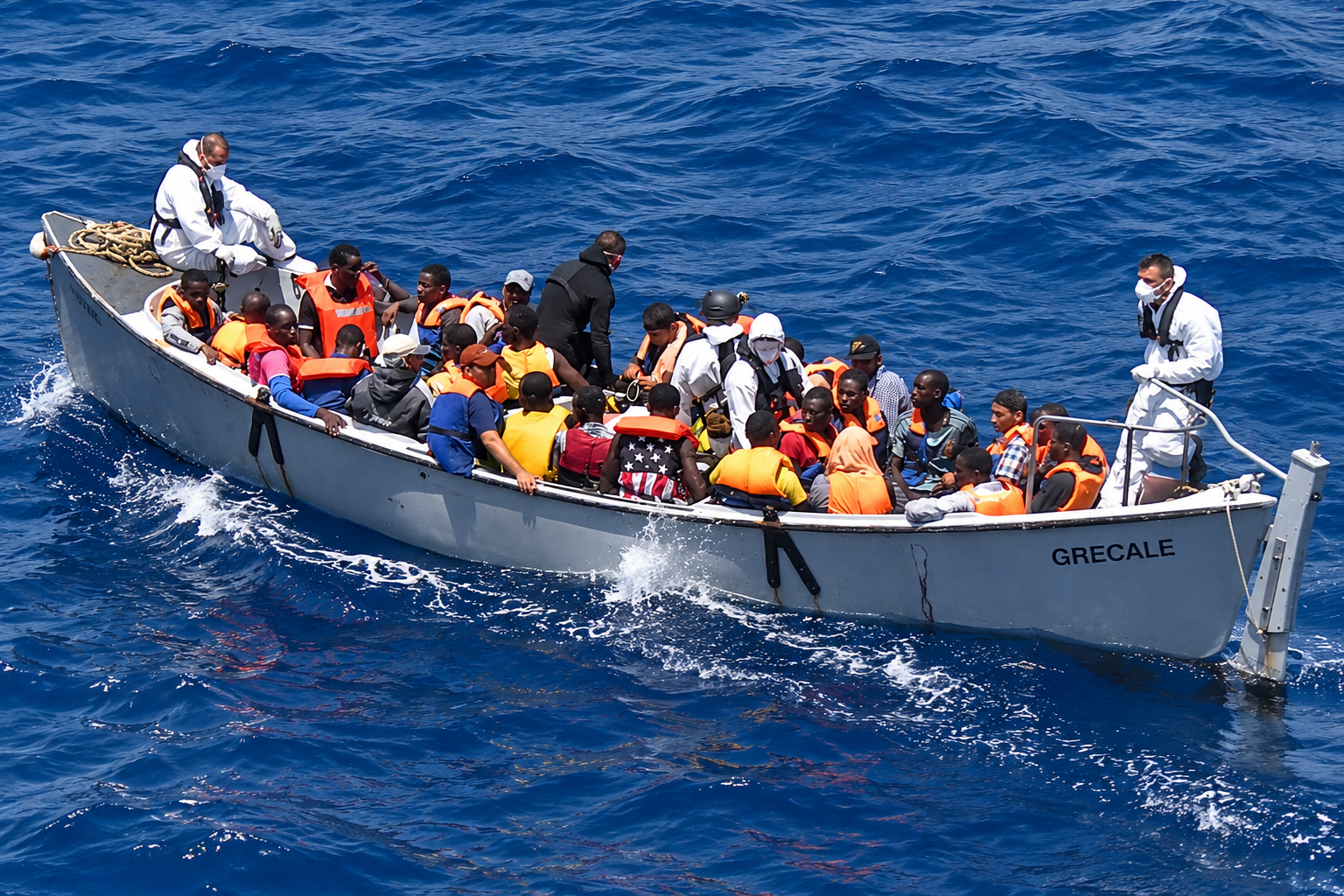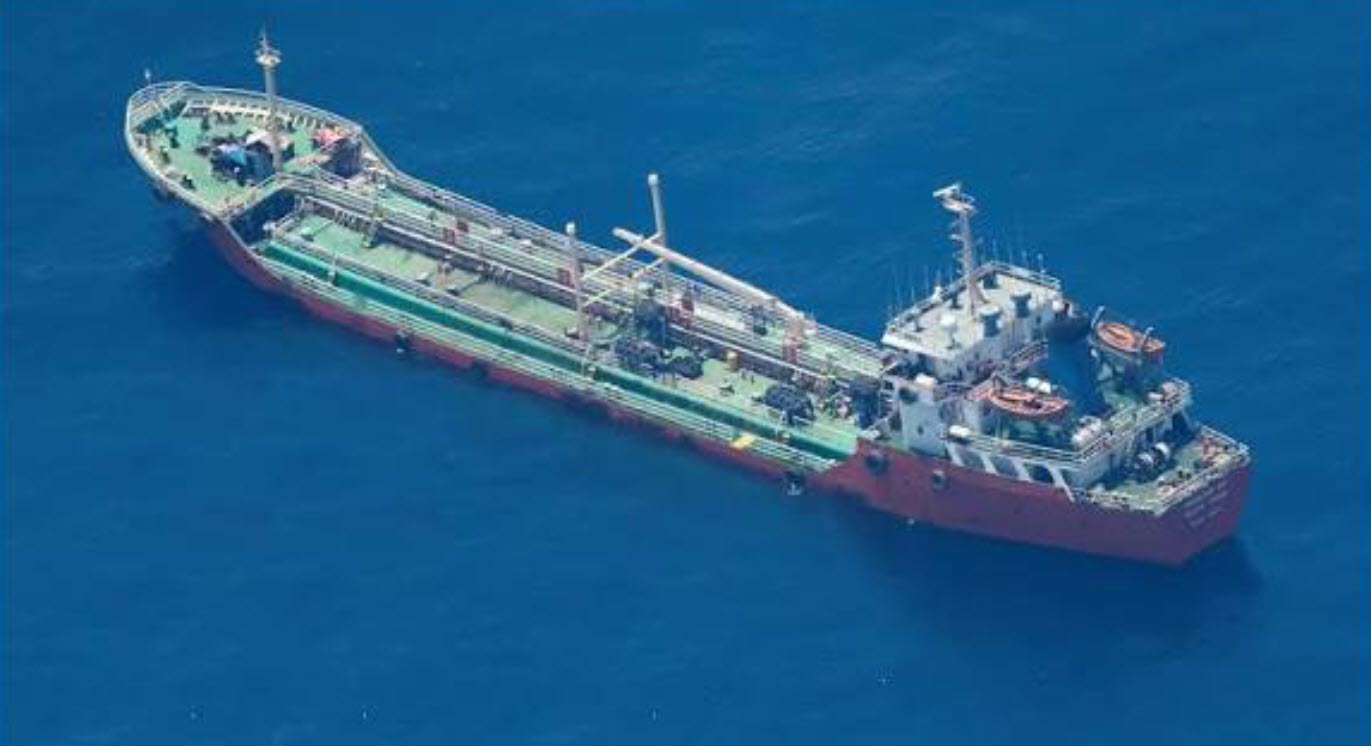
Photo: EUNAVFOR ATALANTA
The reported condition of the crew aboard the MT Honour 25 serves as a serious indication that the Somali piracy threat cannot be assessed simply by counting successful attacks. A crew reportedly held for more than 100 days, with illness and limited access to medicines, demonstrates the prolonged human and operational consequences of maritime hijacking. The reported $3 million ransom demand also highlights that piracy remains an economically motivated criminal enterprise capable of sustaining lengthy hostage situations.
This case raises broader concerns about the effectiveness of deterrence, the vulnerability of vessels operating around the Horn of Africa, and the capacity of regional actors to respond once a hijacking has occurred, emphasizing that maritime security in the Gulf of Aden and waters off Somalia remains a dynamic intelligence and risk-management challenge.
The Evolution of Maritime Security in the Western Indian Ocean
The resurgence of piracy off the coast of Somalia has forced a recalibration of naval strategy, risk-mitigation frameworks, and international law enforcement across several key dimensions:
1. The Human and Operational Cost
- Deteriorating Health: Extended captivity without adequate provisions, clean water, or essential medications transforms hijacking incidents into severe humanitarian crises.
- Psychological and Physical Toll: Distressed video appeals from the multinational crew bring acute visibility to the psychological trauma inflicted on seafarers caught in prolonged deadlocks.
2. Economic Motives and Negotiation Deadlocks
- Ransom Dynamics: Multi-million-dollar demands demonstrate that piracy remains a lucrative, enterprise-driven criminal model.
- The Ownership Crisis: Extended stalemates often stem from fragmented or opaque ship ownership, administrative loopholes, and hesitant insurers or operators, which severely delay meaningful diplomatic or financial engagement.
3. Shifts in Naval Deployments and Coalition Focus
- Dual-Theater Strains: International naval coalitions face unprecedented resource stretches, dividing capabilities between countering threats in the Southern Red Sea and suppressing renewed Pirate Action Groups (PAGs) operating deeper in the Somali Basin.
- Proactive Deterrence: Modern interventions increasingly rely on real-time intelligence sharing through mechanisms like the Joint Maritime Information Center (JMIC) to issue timely threat level upgrades.
4. Adaptation by Criminal Networks
- Exploiting Geopolitical Distractions: Modern pirate networks capitalize on the diversion of heavy naval assets, launching opportunistic attacks further offshore using improved mother-ship models or skiffs.
- Targeting Vulnerable Shipping: Rather than seizing ultra-large crude carriers, syndicates frequently target smaller, regional product tankers and general cargo vessels operating with minimal onboard security infrastructure.
5. Policy and Regulatory Evolution
- Strict Adherence to BMP: Maritime security authorities continue to push for universal compliance with BMP5 and BMP-West Africa/Somalia guidelines, emphasizing hardened safe rooms (citadels), increased freeboard, and armed private security guards (PMSC) as primary deterrents.
- Regional Capacity Building: Long-term stabilization increasingly relies on regional security architecture, empowering local coast guard units and land-based counter-piracy operations since naval forces cannot permanently patrol every mile of the vast coastline.
Author: Mauritius-based Bruneau Laurette is Director of DRCS Africa HQ and an elite defence and security consultant with over 25 years of experience in high-risk environments, maritime anti-piracy and port security. He has advised the governments of Mauritius, Seychelles and Tanzania, established specialist tactical units and trained law enforcement and correctional officers.