By 13 November 2025, maritime security organisations were warning of increased piracy activity off Somalia following several incidents in less than two weeks. On 3 November, armed attackers targeted the Cayman Islands-flagged chemical tanker Stolt Sagaland approximately 330 nautical miles south-east of Mogadishu. The vessel’s armed security team exchanged fire with the attackers and prevented them from boarding.
On 6 November, suspected Somali pirates boarded the Malta-flagged tanker Hellas Aphrodite approximately 560 nautical miles south-east of Eyl. The attackers reportedly used machine guns and rocket-propelled grenades, while the tanker’s 24 crew members withdrew to the secure citadel. The Spanish frigate ESPS Victoria, operating under the EU’s Operation Atalanta, arrived the following day. After a show of force involving the frigate, aircraft and a helicopter, the attackers abandoned the tanker and Spanish personnel secured the vessel. The crew remained unharmed.
The main reported developments included:
- The attempted attack against Stolt Sagaland on 3 November
- The boarding of Hellas Aphrodite on 6 November
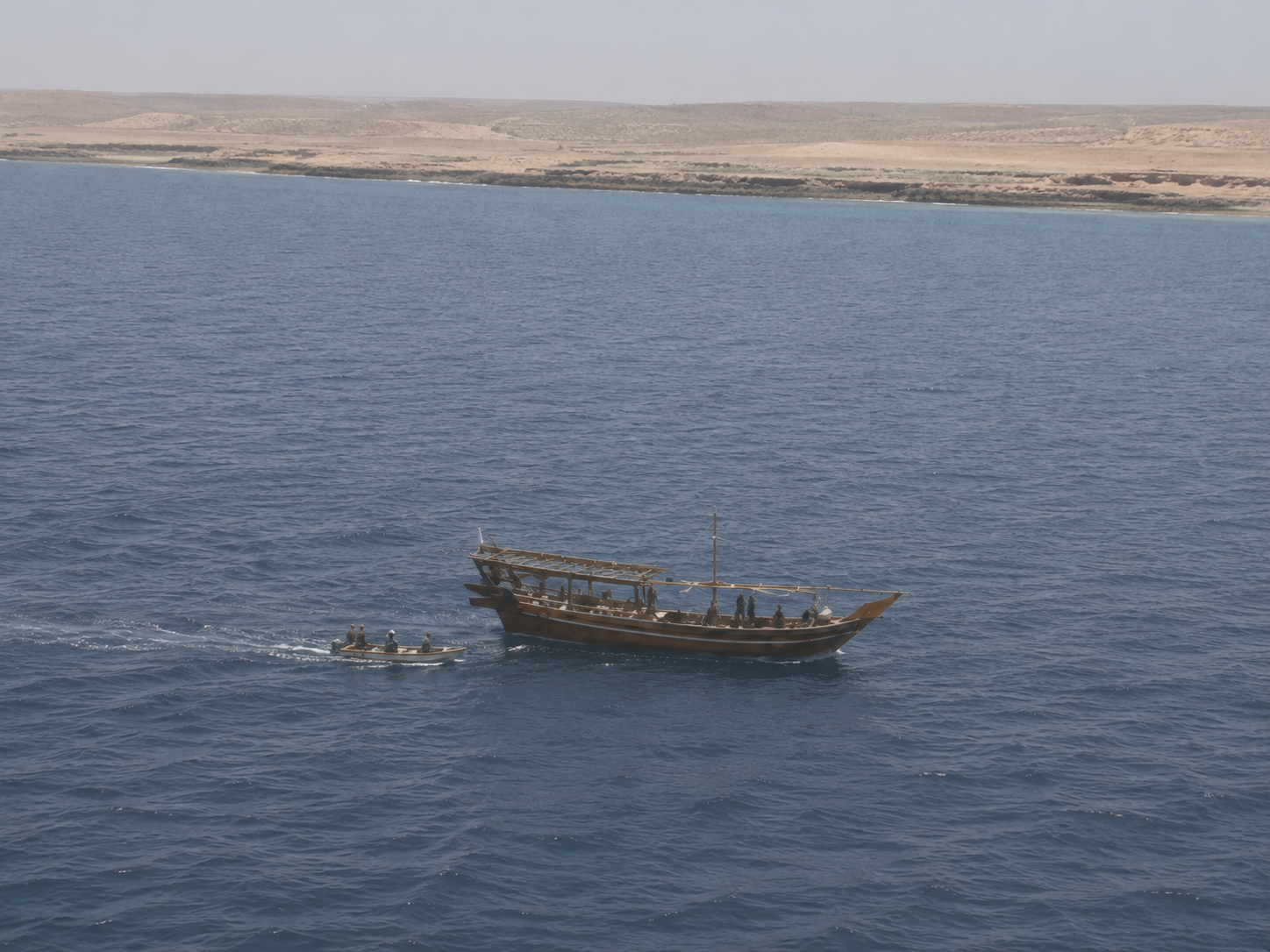
- The suspected use of the hijacked Iranian fishing vessel Issamohamadi as a mother ship
- Pirate activity extending more than 500 nautical miles from Somalia
- An unsuccessful approach against Al Thumama on 11 November
- Intervention by European and Indian naval forces
The incidents did not represent a return to the peak levels of Somali piracy recorded in 2011, but they demonstrated that organised groups retained the ability to seize smaller vessels and use them to operate far offshore. The renewed use of mother ships, armed boarding teams and attacks along routes connecting East Africa, the Arabian Sea and the wider Indian Ocean increased the risks facing commercial vessels, crews, insurers and maritime security providers.