What happened:
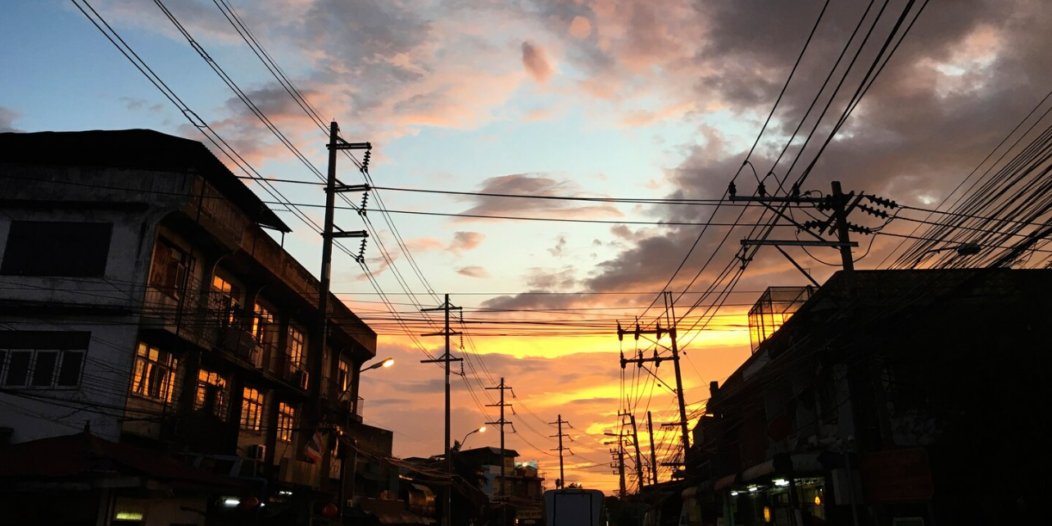
The Tunisian state electricity and gas utility, STEG, started cutting power on a rotating basis in mid-July. This decision came after a punishing heatwave pushed temperatures close to 50°C and drove electricity demand more than 30% above normal levels.
Who Gains, Who Loses
The losers are the most visible group. Ordinary households lost refrigeration, suffered disrupted work and sleep and, in some reported cases, experienced deaths linked to the cuts during extreme heat, alongside knock-on disruptions to water supplies in several regions, since pumping depends on electricity. Small businesses and shopkeepers lost trading hours and stock through spoilage. Patients relying on electricity-powered medical equipment faced acute risks. STEG itself lost further public trust and revenue, compounding its financial troubles. The tourism sector, a pillar of the Tunisian economy, also risked reputational damage during the peak summer season.
The picture of who benefits is more contested and harder to pin down with certainty.
Private renewable energy developers and foreign investors involved in Tunisia’s new solar and wind concessions stand to gain politically and commercially from a crisis that strengthens the case for accelerating their projects; critics of the government’s energy strategy argue that these concessions were pushed through partly by leveraging the sense of emergency. Algeria and Libya, as electricity and gas exporters, gain leverage and revenue from Tunisia’s dependence, even as they insist that they remain committed partners rather than opportunists. Algeria’s energy ministry has repeatedly stated that it intends to keep supplying Tunisia despite its own peak-demand pressures. Equipment suppliers for backup generators and rooftop solar also see a business boost as households and firms scramble for alternatives. It is worth treating all of this with some caution: ‘benefiting’ from a national emergency is not the same as causing it, and much of the above reflects who is positioned to gain going forward rather than any deliberate design behind the cuts.
Geopolitical Consequences
The crisis exposes Tunisia’s energy dependence on its neighbours and gives it new weight in regional diplomacy. Talks between Tunisian and Algerian officials in 2026 have centred not only on maintaining current electricity exports but also on building a 1.4-gigawatt combined-cycle power plant in Tunisia and advancing a long-discussed trilateral electricity interconnection linking Algeria, Tunisia and Libya — a project that, if realised, would deepen Maghreb energy integration but also tie Tunisia’s grid stability more closely to political relations with Algiers and Tripoli. Algeria’s public reassurances that it will keep supplying power ‘given the strategic importance of this period’ reflect both genuine cooperation and Algeria’s interest in cementing itself as the indispensable energy partner for its neighbour.
The crisis also intersects with Tunisia’s relationship with Europe. The planned ELMED interconnector linking Tunisia and Italy is central to Tunisia’s ambition to become a regional hub exporting clean electricity to the EU. A summer of domestic blackouts complicates that narrative, raising questions about whether a grid struggling to meet its own peak demand can credibly become a net electricity exporter in the near term, even as the same pressure could accelerate European and Gulf investment interest in Tunisian renewables, since the crisis strengthens the argument for fast-tracked solar and wind projects.
Domestically, the cuts add to the social and political pressure on a government already managing subsidy reform, inflation and public discontent, feeding into a broader debate visible in Tunisian civil-society commentary about governance, transparency at STEG and whether energy policy is being shaped more by international lender priorities and investor interests than by public accountability.
Author: Safa Bargaoui is a Tunisia-based geopolitical and international relations analyst