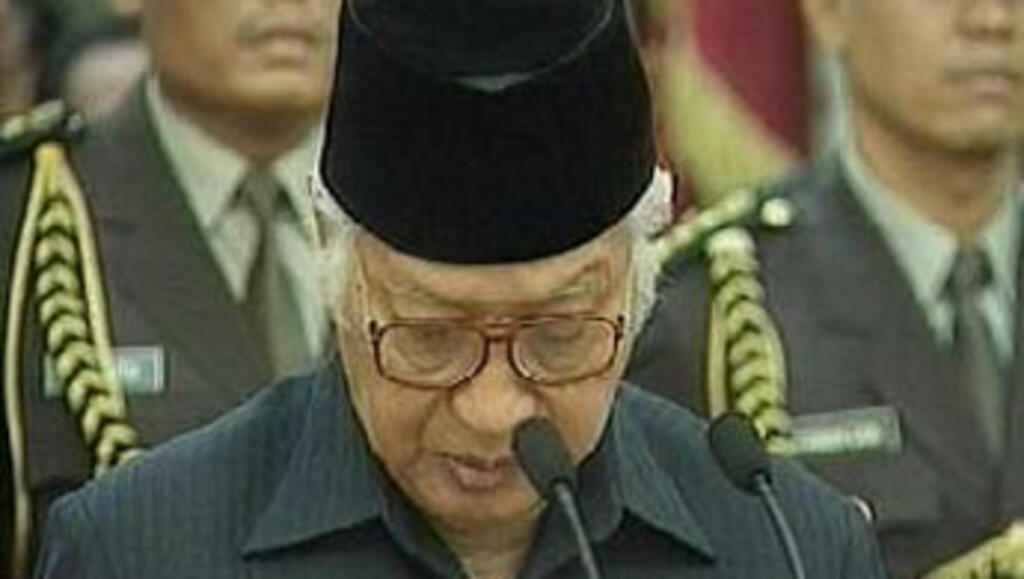
Indonesia’s 1998 Reformasi is often remembered as the moment Suharto resigned. That is accurate, but too tidy. The more important story is that fear lost its monopoly.
For 32 years, Suharto’s New Order presented itself as the guardian of stability. Then the Asian financial crisis exposed the bargain beneath the surface: people had accepted political silence in exchange for growth, order and predictability. When prices rose, jobs disappeared and students filled the streets, that bargain collapsed.
The date matters. Suharto resigned on 21 May 1998, after riots, student protests and the withdrawal of elite support made his rule impossible to sustain. The regime did not fall because one institution became heroic. It fell because too many pillars moved at once.
Yet Reformasi was never a clean democratic rebirth. Old elites survived, military influence adapted, and oligarchic politics found new costumes. Indonesia changed profoundly, but it did not start again from zero.
The lesson of 1998 is still uncomfortable: authoritarian systems often look strongest just before they discover that obedience was not the same as legitimacy.
Author: Aditya Pratama is a political sociologist and expert in Indonesian governance and Southeast Asian studies.