Image: Manuel Orbegozo, The New York Times
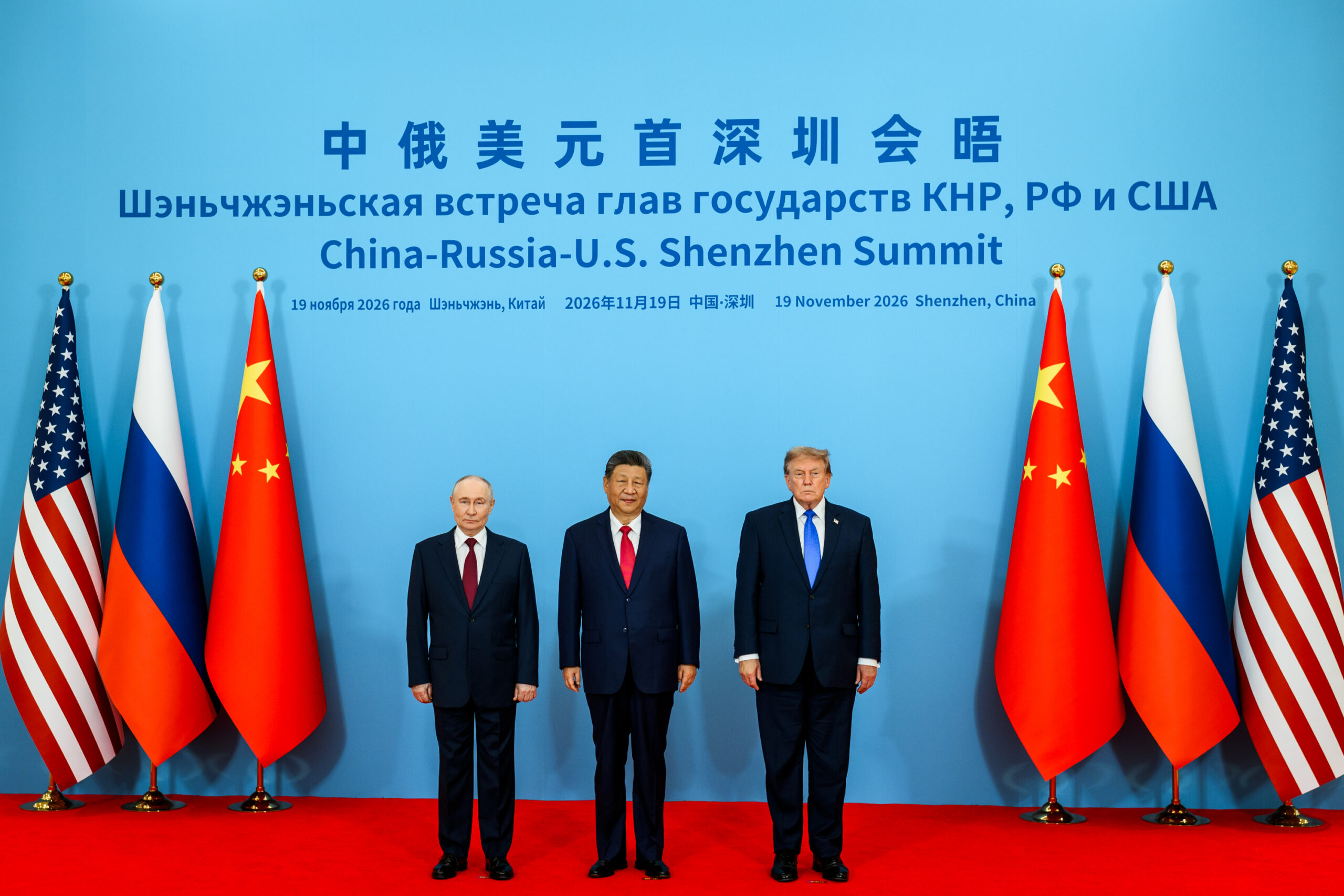
The controversy surrounding Nvidia CEO Jensen Huang is about far more than a corporate scandal. Whether the allegations are ultimately proven, disproven or remain inconclusive, the episode offers a valuable insight into how modern warfare, strategic competition and national power increasingly operate in the twenty-first century.
At the centre of the controversy are allegations linking Huang to a suspected Chinese intelligence operative. Nvidia responded by launching an internal investigation while stating publicly that it had no reason to believe company information or United States national-security interests had been compromised. Chinese authorities rejected the allegations as unfounded. Yet despite the absence of publicly available evidence demonstrating espionage or information compromise, Nvidia’s share price fell and the company found itself at the centre of international scrutiny.
That reaction alone is strategically significant.
For decades, warfare was largely associated with military force, territorial conquest and physical destruction. Today, the battlefield has expanded. Modern strategic competition increasingly revolves around information, perception, influence, technological dominance and public confidence. Markets, media, social platforms and corporate boardrooms have become part of the contemporary battlespace.
The Nvidia case demonstrates a central reality of modern conflict: strategic effects can occur long before facts are fully established. Investors react to uncertainty. Governments react to perceived risks. Regulators increase scrutiny. Media narratives evolve. Competitors reposition themselves. Whether allegations are ultimately true or false may become secondary to the disruption created by the allegations themselves.
This increasingly aligns with the direction outlined in the United States’ 2026 National Defense Strategy, which identifies strategic competition, technological superiority, homeland security and deterrence as central priorities. The strategy places particular emphasis on maintaining advantages in critical technologies and preserving America’s technological edge against major competitors, especially China.
Similarly, the 2026 Annual Threat Assessment of the U.S. Intelligence Community highlights artificial intelligence, quantum computing, advanced technologies and cyber capabilities as key national-security concerns and identifies technological competition as an increasingly important dimension of geopolitical rivalry.
This context matters because Nvidia is no ordinary company.
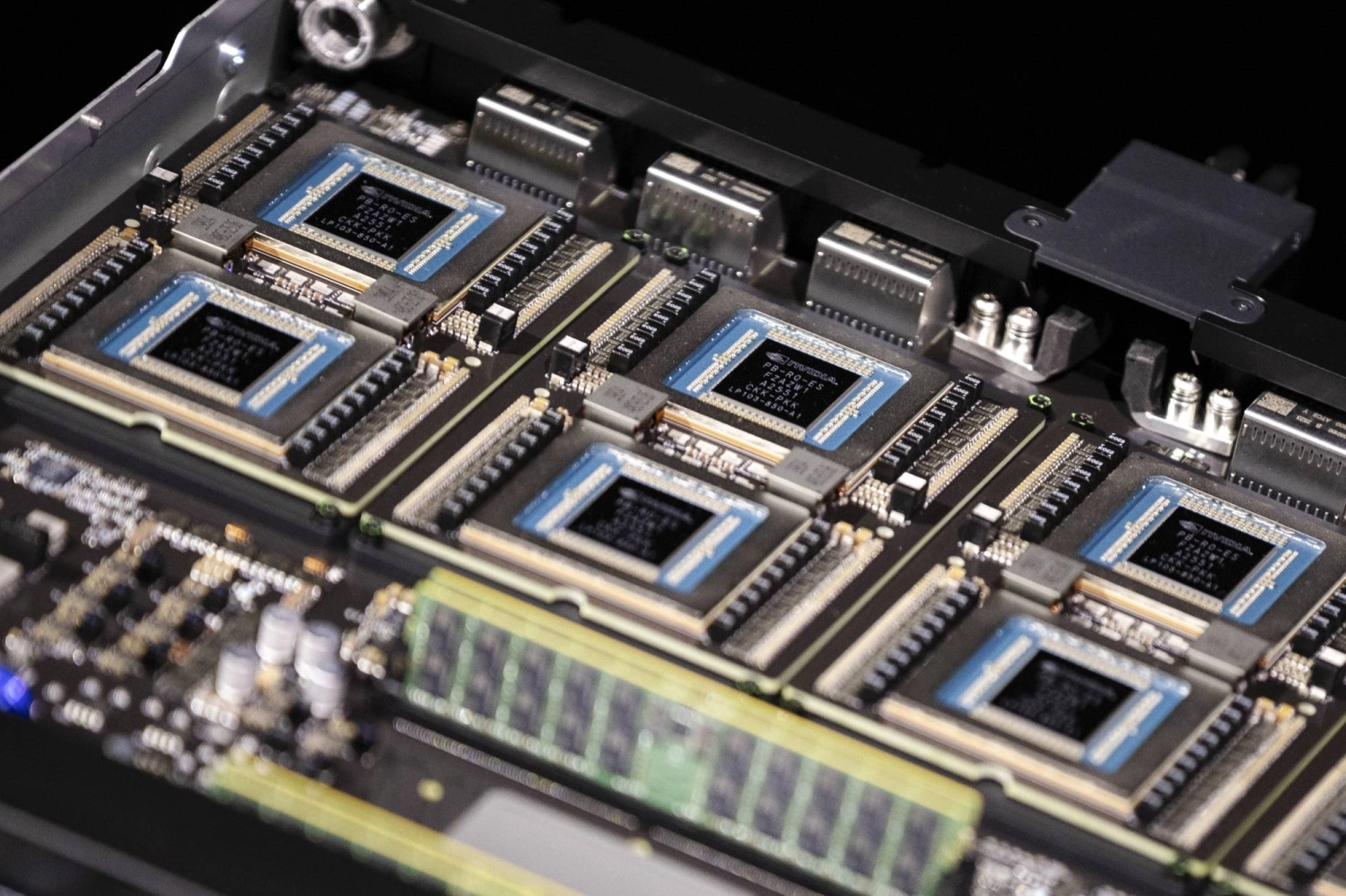
Its semiconductor technologies power much of the modern artificial-intelligence ecosystem. Nvidia hardware supports AI development, advanced computing, cloud infrastructure, scientific research, autonomous systems and emerging military applications. As artificial intelligence becomes increasingly integrated into defense planning, intelligence analysis, cyber operations and military decision-making, companies such as Nvidia become strategically important national assets rather than merely successful technology firms.
This reality fundamentally changes how national-security professionals view leadership controversies involving major technology companies.
A disruption affecting a global retailer may primarily concern shareholders
A disruption affecting a company that underpins critical AI infrastructure has potentially wider implications for innovation, economic competitiveness and technological leadership.
From an intelligence perspective, another important issue often overlooked in public discussions is illicitation. Unlike traditional espionage, which may involve stolen documents, cyber intrusions or recruited insiders, illicitation focuses on accumulating information through conversations, relationships and trust. The value often lies not in obtaining a secret document but in understanding how influential individuals think, what pressures they face, who they trust and how decisions are made.
Importantly, this does not suggest illicitation occurred in the Nvidia case. Rather, it highlights why intelligence professionals frequently assess personal relationships and access differently from the general public.
Yet perhaps the most important lesson lies elsewhere.
- Modern warfare increasingly targets confidence rather than infrastructure.
- An adversary does not necessarily need to steal technology if uncertainty slows innovation.
- An adversary does not necessarily need to compromise a network if leadership becomes distracted.
- An adversary does not necessarily need to recruit an insider if public perception creates strategic disruption.
This represents a major shift in how power is exercised. Traditional warfare sought physical effects. Modern irregular warfare increasingly seeks psychological, economic and reputational effects. Success is often measured not by what is destroyed, but by what is disrupted.
Viewed through that lens, the Nvidia controversy raises a simple but powerful strategic question:
Who benefits when confidence in one of the world’s most important artificial-intelligence companies is weakened?
The answer is not necessarily a government, intelligence service or foreign adversary. Competitors benefit. Market speculators benefit. Strategic rivals benefit. Anyone seeking to slow technological momentum may benefit from uncertainty.
This does not prove that any actor orchestrated the controversy
Nor does it establish espionage.
However, it highlights how modern strategic competition increasingly operates through second- and third-order effects rather than direct confrontation.
The Nvidia controversy should not be viewed solely as a corporate governance issue. It should be viewed as a case study demonstrating how technology, national security, investor confidence and information warfare have become interconnected.
The publicly available evidence does not establish espionage, foreign influence operations, intelligence recruitment or information compromise. Nvidia itself has stated that it found no indication that company information or U.S. national-security interests were compromised.
What is observable, however, is the strategic effect:
Allegations → Media Amplification → Investor Reaction → Leadership Scrutiny → Market Volatility → Strategic Disruption
That chain reflects the evolving nature of modern warfare.
In the age of artificial intelligence, the struggle for strategic advantage is no longer fought only with armies, missiles or cyber weapons. It is increasingly fought through narratives, perceptions, confidence and influence.
The Nvidia episode serves as a reminder that in contemporary strategic competition, the most consequential battles may not be fought over what is known to be true, but over what people believe might be true.
And in an era where technological superiority increasingly translates into national power, even uncertainty can become a strategic weapon.
Author: Zimbabwe-based Ngoni Samuel Mamvura is a security professional specialising in forensic investigations, strategic analysis, insider threat assessments and security governance. With advanced training in irregular warfare and structured analytical reasoning, his expertise covers emerging security threats, institutional vulnerabilities and risk assessment across Zimbabwe, Southern Africa and beyond.